






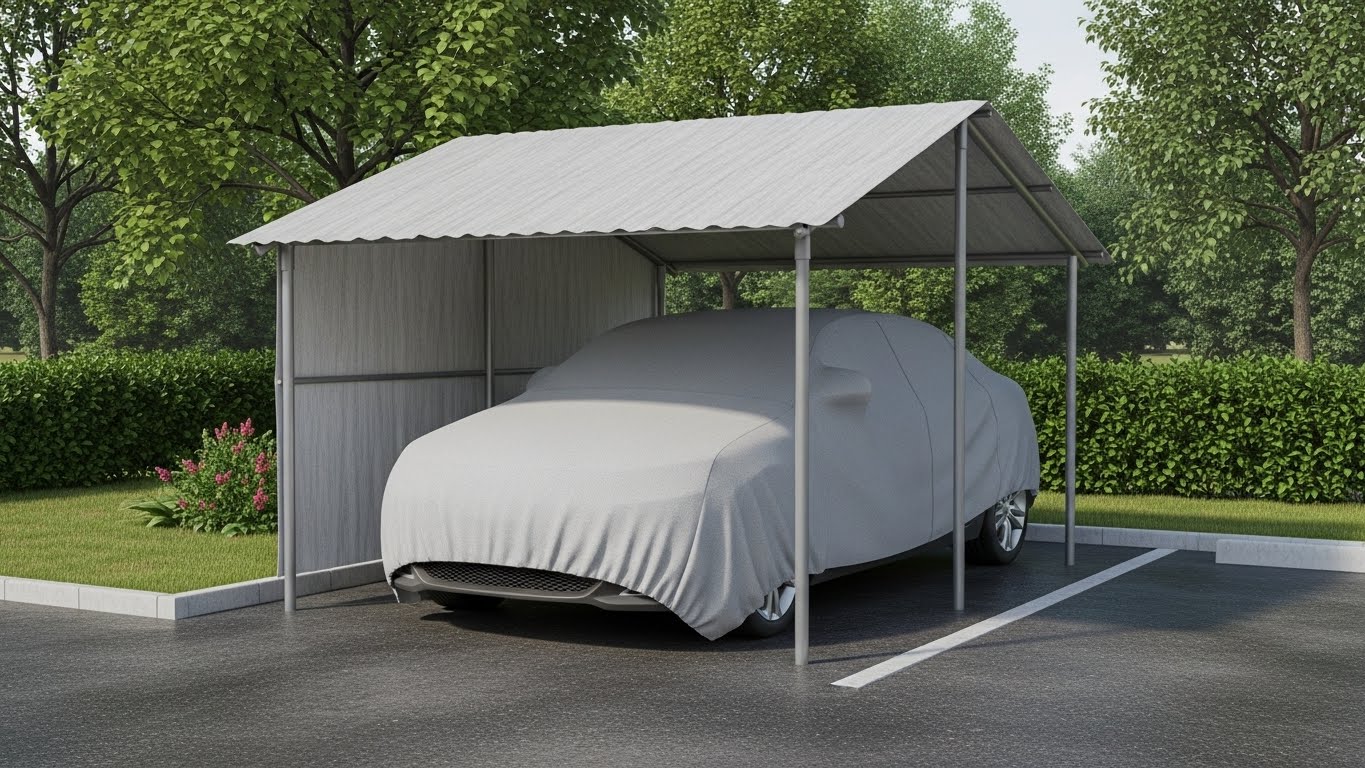
Designing custom carports can be an exciting project for homeowners or business owners alike. Whether it’s to protect vehicles from the elements, add storage space, or enhance your property’s curb appeal, a custom carport can be a valuable investment. However, without careful planning, small design mistakes can quickly balloon your costs, turning a simple project into an expensive headache. In 2025, with new materials, building codes, and online design tools, avoiding these errors is more critical than ever. Here’s an expert breakdown of the most common and costly custom carport design mistakes and how to prevent them.
1. Ignoring Local Building Codes and Permits
One of the costliest mistakes homeowners make when designing a custom carport is failing to comply with local building codes and obtain the required permits. Every area has rules about the size, location, and materials for structures like carports. Skipping permits can lead to fines, requiring the structure to be torn down, or costly changes to meet local requirements.
How to avoid this: Before you finalize any design, check with your local building authority. Many areas have online portals where you can verify permit requirements and submit applications. Keep in mind that permit fees are a small fraction of the potential fines you could face for non-compliance.
2. Choosing the Wrong Size or Height
Another common mistake is underestimating the space needed for vehicles and future use. If your carport legs are too short or the structure is too narrow, you may be unable to park larger vehicles, such as RVs or trucks, underneath. Adjusting the height or width after materials are ordered can be extremely expensive.
Expert tip: Measure your tallest and widest vehicles, and consider any future vehicles you might own. Adding a few extra inches in height and width may cost more initially. Still, it will save significant money and frustration in the long run.
3. Overlooking Material Certifications and Quality
Not all carport materials are created equal. Using substandard steel, aluminum, or treated wood can compromise the durability of your structure, especially in areas with heavy snow, strong winds, or high humidity. Materials lacking proper certifications might also void manufacturer warranties.
How to avoid this: Always check for certifications, such as ASTM or local equivalents. Ask suppliers for proof of quality, and consider investing in materials rated for your climate. This upfront cost ensures long-term durability and prevents costly replacements.
4. Forgetting Site Preparation Costs
Many homeowners forget that a carport is more than just the structure itself. Site preparation, leveling, grading, and laying a concrete pad can add thousands to your final bill if not factored in early. Improper preparation can lead to uneven floors, water pooling, and structural instability.
Pro tip: Include a detailed site assessment in your budget. Consider hiring a professional to handle grading and drainage planning. Proper preparation ensures your carport lasts longer and prevents expensive repairs down the line.
5. Neglecting Seasonal and Environmental Considerations
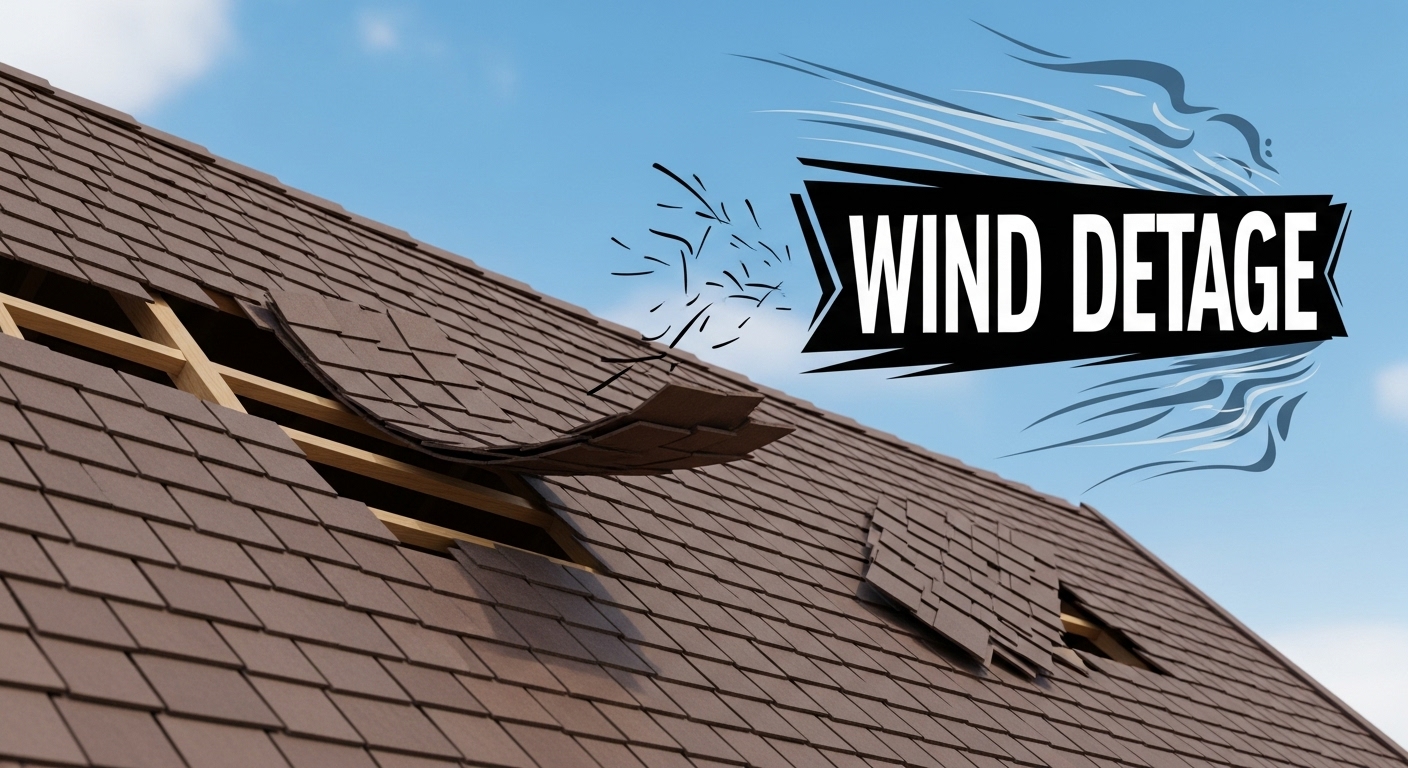
Custom carports must withstand the local weather year-round. Ignoring factors such as snow load, rainfall, wind speed, and sun exposure can lead to structural damage. For example, choosing a lightweight roof without reinforcement in areas with heavy snowfall can result in collapse or costly modifications.
Expert tip: Research your area’s weather patterns and select materials and designs rated for those conditions. Some carports may require reinforced frames or steeper roof pitches to handle snow or heavy rain. Planning for these considerations upfront prevents costly redesigns.
6. Incorrect Use of Online 3D Carport Builders
Online 3D carport builders are convenient and fun to use. Still, mistakes in these digital designs often translate into expensive real-world errors. Users may misjudge dimensions, skip critical structural supports, or forget to include guttering and drainage in the design.
How to avoid this: Treat online 3D models as guides rather than final blueprints. Double-check all measurements, consider structural engineering requirements, and confirm that your model meets local building codes. Have a professional review your digital design before ordering materials.
7. Failing to Plan for Electrical or Storage Needs
A carport can do more than just shelter vehicles; it can include lighting, outlets, and even storage cabinets. Skipping these considerations early can mean drilling, rewiring, or retrofitting after installation, which is costly and time-consuming.
Expert tip: Determine how you plan to use your carport beyond basic vehicle storage. Include plans for lighting, power outlets, or attached storage units in your initial design. Adding these features during construction is far cheaper than retrofitting later.
Bonus Tip: Think Long-Term, Not Just Short-Term Savings
While cutting costs on your carport may seem tempting, cheap decisions today can lead to costly repairs and replacements later. Consider durability, maintenance requirements, and resale value when making design choices. Investing a little more up front often saves thousands in the long run.
Conclusion
Custom carports can significantly enhance your property, but design mistakes in 2025 can quickly turn your dream structure into a financial burden. Common errors like ignoring permits, choosing the wrong size, using low-quality materials, neglecting site preparation, overlooking environmental factors, misusing 3D builders, and failing to plan for additional features all add unnecessary costs.