









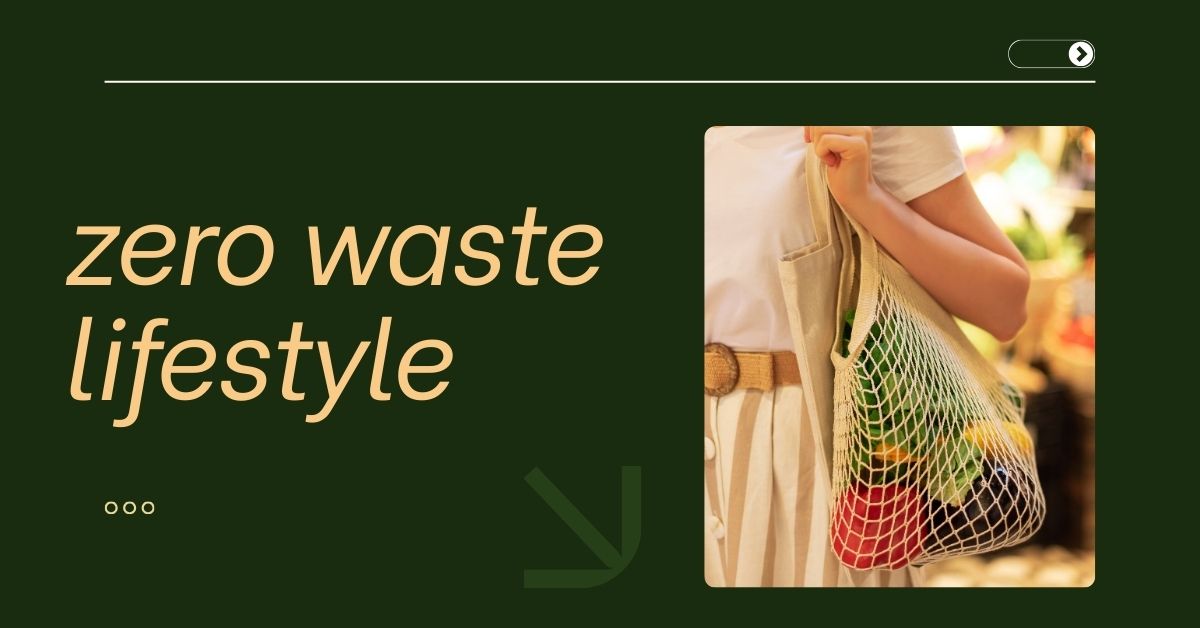
The zero waste lifestyle focuses on reducing the amount of garbage sent to landfills by making conscious choices that minimize waste. This lifestyle encourages people to refuse unnecessary items, reuse what they already own, and recycle materials responsibly. It is not about achieving perfection but about making mindful improvements in daily habits. As global pollution levels rise, adopting zero waste practices has become essential for creating a healthier environment and future generations.
Why Zero Waste Matters Today
Zero waste matters because our planet is struggling with overflowing landfills, plastic pollution, and rapidly depleting natural resources. Every product we buy has an environmental footprint, and waste that is thrown away often ends up harming wildlife, oceans, and soil. A zero waste lifestyle helps individuals take responsibility for their part in the global waste crisis. By choosing sustainable options, we reduce pollution, conserve energy, and support eco-friendly systems that benefit both people and the planet.
The Core Principles of Zero Waste
Zero waste is built on a set of simple yet powerful principles that guide everyday decisions. These principles promote conscious consumption and sustainable living. The most popular version includes five core actions: refuse, reduce, reuse, recycle, and rot. Practicing these steps helps individuals limit unnecessary waste and rethink their relationship with material items. The goal is to shift from a throwaway culture to one that prioritizes long-term environmental health.
Refuse What You Don’t Need
Refusing unnecessary items is the first step in a zero waste lifestyle because it prevents waste before it even begins. This means saying no to single-use plastics, unwanted freebies, excessive packaging, and products that don’t add real value. By refusing items you don’t need, you automatically reduce clutter, save money, and minimize the demand for disposable products. It may feel uncomfortable at first, but with practice, it becomes one of the most liberating habits.
Reduce Your Consumption
Reducing consumption is about being intentional with purchases and focusing on quality rather than quantity. Many people buy out of habit, boredom, or impulse, which leads to excess waste. Reducing encourages consumers to simplify their lives by owning fewer but better-made items. This shift leads to less environmental impact and often results in financial savings. It also helps individuals appreciate what they already have instead of constantly chasing new things.
Reuse What You Already Have
Reusing involves giving old items new life instead of throwing them away. This can include repairing broken goods, repurposing containers, borrowing instead of buying, and choosing reusable alternatives. For example, using cloth bags, glass jars, and stainless steel bottles can drastically cut down on waste. Reusing promotes creativity and resourcefulness because it encourages people to look at items in innovative ways. It also helps reduce the demand for single-use products.
Recycle Responsibly
Recycling is a helpful part of zero waste living, but it should not be the first solution. Many people mistakenly believe recycling solves the waste crisis, but only a small percentage of plastics are truly recycled. Responsible recycling means understanding local recycling rules, sorting materials correctly, and avoiding contamination. It also involves choosing recyclable products when possible. While recycling is important, it works best when paired with reducing and reusing.
Compost (Rot) Organic Waste
Composting transforms food scraps and yard waste into nutrient-rich soil that helps plants grow. Instead of throwing organic waste into landfills, where it produces methane gas, composting gives it a new purpose. Anyone can start composting at home, whether through a backyard bin, indoor compost system, or community program. This simple action significantly reduces household waste while supporting soil health and reducing emissions.
Zero Waste at Home
Adopting zero waste at home is one of the easiest ways to start because it allows full control over daily routines. Small changes like switching to bulk shopping, using reusable containers, and reducing paper products create immediate impact. In the kitchen, replacing disposable sponges, plastic wrap, and packaged foods helps reduce waste quickly. In the bathroom, choosing bar soaps, refillable bottles, and eco-friendly toiletries makes a big difference. Home is where habits form, so starting here creates a strong foundation for a long-term sustainable lifestyle.
Zero Waste in the Kitchen
The kitchen often generates the most household waste, but it is also the best place for meaningful change. Buying food in bulk reduces packaging, while meal planning helps prevent food waste. Using reusable produce bags, glass jars, and silicone lids can eliminate the need for single-use plastics. Making homemade cleaning supplies or choosing eco-friendly options cuts down on harmful chemicals. Small shifts in kitchen habits can reduce trash dramatically and save money at the same time.
Zero Waste in Your Wardrobe
Fast fashion contributes heavily to pollution and waste, but a zero waste wardrobe offers a better alternative. This approach encourages buying secondhand clothing, choosing timeless styles, and investing in quality pieces that last longer. Repairing damaged clothes, swapping items with friends, and donating thoughtfully extend the life of garments. A zero waste wardrobe promotes mindful consumption while reducing the environmental impact of fashion.
Zero Waste While Shopping
Shopping with a zero waste mindset means planning ahead and avoiding impulse purchases. Bringing reusable bags, containers, and water bottles ensures you don’t need disposable options. Choosing products with minimal or recyclable packaging helps reduce waste. Supporting local farmers, eco-friendly brands, and bulk stores also supports sustainable industries. Zero waste shopping becomes easier with practice and soon becomes second nature.
Zero Waste for Personal Care
Personal care products often come packaged in plastic, but zero waste alternatives offer healthier, eco-friendly choices. These include shampoo bars, bamboo toothbrushes, refillable skincare, and metal razors. Choosing natural ingredients and sustainable packaging helps reduce chemical waste. Many zero waste personal care items also last longer, saving money while minimizing environmental damage.
Zero Waste During Travel
Traveling can create a lot of waste, but with preparation, it’s easy to stay eco-conscious on the go. Packing reusable items like a water bottle, utensils, and travel containers helps avoid disposables. Choosing eco-friendly accommodations and supporting local businesses also contribute to sustainable tourism. Even small steps, like refusing single-use hotel toiletries, make a big difference in reducing travel waste.
The Challenges of Zero Waste
The zero waste lifestyle can be challenging, especially in a world designed for convenience. Not everyone has access to bulk stores, composting facilities, or sustainable brands. It may take time to adjust habits and overcome social pressures. However, challenges become easier with patience, creativity, and community support. The goal is progress, not perfection, and every small step contributes to a larger positive impact.
Building a Zero Waste Community
Communities play a big role in supporting zero waste efforts. Joining local groups, attending sustainability workshops, and sharing resources with neighbors help create a culture of environmental awareness. Community initiatives such as clean-up drives, swap parties, and recycling programs encourage people to work together. When people unite for a shared goal, sustainable living becomes more accessible and enjoyable.
Conclusion
Living a zero waste lifestyle is a powerful way to protect the environment and create a healthier world. While it may seem challenging at first, small changes in daily routines can lead to significant impact over time. The key is to be mindful, intentional, and willing to grow. By refusing unnecessary items, reducing consumption, reusing resources, recycling properly, and composting organic waste, anyone can make a difference. Zero waste is not about perfection; it’s about progress and making sustainable choices that benefit everyone.
FAQs
Is zero waste expensive to start?
No, it often saves money because it encourages using what you already have instead of constantly buying new items.
Do I need to be perfect to follow a zero waste lifestyle?
Not at all. The goal is to make improvements, not achieve perfection.
Can zero waste work in small apartments?
Yes, many zero waste habits like composting, reducing clutter, and reusing containers work well in small spaces.
Is recycling enough to reduce waste?
Recycling helps, but reducing and reusing are more effective ways to cut waste overall.
What is the easiest zero waste swap to start with?
A reusable water bottle or shopping bag is one of the simplest and most effective swaps.