









The Irish Wolfhound is known worldwide for its majestic height, noble appearance, and incredibly gentle spirit, making it one of the most admired dog breeds ever recorded. Although its size might seem intimidating at first glance, this giant is often described as a “gentle giant” because of its affectionate temperament, calm demeanor, and close bond with humans. Throughout history, the Irish Wolfhound has held an iconic place in Irish heritage, mythology, and dog-breeding culture. Today, it is cherished by families and dog lovers for its noble presence and loving companionship. This article explores the breed in depth, discussing its history, temperament, health, care, lifespan, and what makes it truly unique, while providing a user-friendly, plagiarism-free, and deeply comprehensive guide.
The Ancient Origins of the Irish Wolfhound
The Irish Wolfhound is considered one of the oldest dog breeds in the world, with roots dating back thousands of years to ancient Ireland. Historical records show these impressive dogs being used by Celtic warriors as early as 700 B.C., where they served as war dogs, guardians, and hunting companions. They were especially valued for their ability to hunt wolves, wild boars, and large game, which is where the breed earned its distinctive name. Known as “Cú Faoil” in early Irish texts, these dogs were symbols of power, nobility, and bravery, often gifted to kings, royalty, and military leaders across Europe. Their presence in Irish folklore further shows how deeply the breed was respected, with tales describing them as loyal protectors capable of extraordinary feats.
Why the Irish Wolfhound Nearly Disappeared
Despite their long and decorated history, the Irish Wolfhound nearly became extinct during the 17th and 18th centuries due to a combination of factors, including the decline of wolves in Ireland, famine, and lack of organized breeding programs. Their primary purpose—hunting wolves—was no longer needed once wolves were exterminated, and the breed’s numbers dropped drastically. By the 1800s, only a handful were left. A British Army officer, Captain George Augustus Graham, dedicated himself to reviving the breed by gathering remaining dogs and cross-breeding them with Great Danes, Scottish Deerhounds, and other large breeds. Thanks to his lifelong commitment, the Irish Wolfhound survived and eventually regained recognition as a distinct breed. Without Graham’s efforts, these magnificent dogs might have disappeared forever.
The Appearance That Defines a Legend
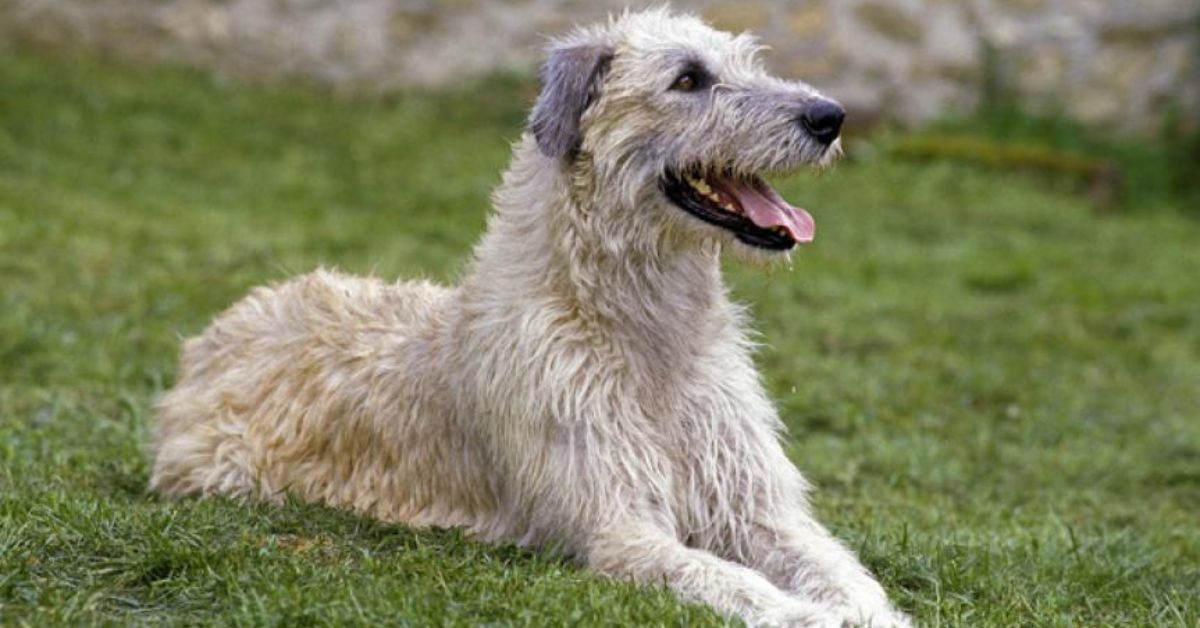
The Irish Wolfhound stands as one of the tallest dog breeds in the world, with males often reaching heights of 32 to 35 inches or more. Their tall, muscular frame, long legs, and deep chest give them the speed and endurance needed for chasing large prey. Despite their size, they have a graceful and somewhat streamlined silhouette. Their rough, wiry coat adds to their rugged charm and helps protect them from harsh climates. Common coat colors include gray, brindle, black, red, fawn, and white. Their expressive eyes, long muzzle, and slightly curved tail complete the elegant yet powerful look that makes them instantly recognizable.
Understanding the Gentle Temperament of Irish Wolfhounds
One of the most beloved qualities of the Irish Wolfhound is its gentle, friendly, and loyal nature. These dogs are known for their calm disposition, patience with children, and strong attachment to their families. Although they are large, they rarely show aggression and instead prefer peaceful environments. Their affectionate personality makes them exceptional therapy dogs and emotional companions for people of all ages. They have a quiet dignity about them and often communicate through subtle expressions rather than loud behavior. However, because of their sensitive nature, they thrive best in homes that provide love, stability, and regular human interaction.
The Family-Friendly Giant
The Irish Wolfhound is especially treasured by families because of its loving and patient personality. Despite their towering height, they are extremely gentle with children and often behave as if they understand their size and strength. They are not overly energetic or rough, which makes them a good fit for families looking for a calm and steady companion rather than a highly active playmate. Their protective instinct is strong but not aggressive; they tend to watch over their family with quiet vigilance. Families considering this breed must remember that its size requires plenty of space, proper training, and consistent care to ensure a safe and happy environment for everyone.
Training an Irish Wolfhound with Patience
Training an Irish Wolfhound is generally an enjoyable experience due to their intelligence, willingness to please, and naturally calm nature. However, training should start at an early age, especially because of their large size. Early socialization helps them become confident around people, other dogs, and different environments. Positive reinforcement methods work best for this breed, as they respond poorly to harsh tones or strict punishment. They enjoy gentle training sessions, consistent routines, and rewards. Because of their sensitive temperament, building trust is essential. Once trained, they are well-mannered, obedient, and enjoyable companions both at home and in public.
Exercise Requirements for a Healthy Wolfhound
Despite their size, Irish Wolfhounds are not overly energetic dogs. They enjoy daily walks, moderate exercise, and opportunities to stretch their long legs, but they do not require intense physical activity. Puppies, however, need special care as excessive running or jumping at a young age can damage their growing bones. Adult Wolfhounds enjoy leisurely activities such as long walks, gentle hikes, and time spent exploring safely enclosed outdoor spaces. They cannot be kept in small apartments or cramped spaces; their size demands room to move comfortably. Regular exercise helps maintain their muscle tone, heart health, and overall well-being.
Diet and Nutrition for a Giant Breed
Feeding an Irish Wolfhound requires thoughtful planning because of their large size and fast growth rate. They need high-quality dog food formulated for giant breeds to support proper bone and joint development. Overfeeding can lead to obesity, which puts unnecessary strain on their heart and joints. Split meals throughout the day are recommended to reduce the risk of bloat, a life-threatening condition that can affect deep-chested dogs. Their diet should include proteins, healthy fats, vitamins, minerals, and controlled calcium levels. Owners must consult with veterinarians to create a balanced feeding schedule based on age, weight, and activity level.
Grooming the Irish Wolfhound
Although the Irish Wolfhound has a shaggy, wiry coat, grooming is manageable with regular maintenance. Their coat needs weekly brushing to prevent matting and remove loose hair. Occasional baths, nail trimming, ear cleaning, and dental care are essential to keep them healthy and looking their best. Many owners choose to hand-strip the coat to maintain its natural texture. Regular grooming also provides an opportunity to check for skin issues, infections, or changes in weight. Despite their size, grooming an Irish Wolfhound can be a bonding experience and helps them remain comfortable and clean.
Health Concerns and Longevity
The Irish Wolfhound has a shorter lifespan compared to smaller dog breeds, typically living around 6 to 10 years. Because of their size, they are prone to certain health conditions such as heart disease, bone cancer, hip dysplasia, and bloat. Regular veterinary checkups, early detection, and preventive care play a vital role in extending their lifespan and improving their quality of life. Responsible breeders test for hereditary conditions and follow ethical breeding practices to reduce the risk of genetic health issues. Owners must be prepared emotionally and financially for the unique health needs of a giant breed.
The Emotional Bond with Owners
One of the reasons people adore Irish Wolfhounds is the emotional depth they display toward their families. These dogs form deep connections and often follow their owners around the home, seeking companionship and affection. They are known for their empathy and can sense human emotions, offering comfort during stressful times. Because they thrive on human presence, they are not suited for long hours of isolation. Their bond with their family is unwavering, making them loyal and tender companions who fill the home with warmth, calmness, and love.
Is the Irish Wolfhound Right for You?
Although the Irish Wolfhound is a remarkable breed, it is not the right choice for everyone. Their size, care requirements, feeding needs, and health concerns require commitment and resources. They thrive in homes with space, patient owners, and a peaceful environment. People considering this breed must evaluate whether they can meet its lifetime needs. However, for those who can provide the right conditions, the Irish Wolfhound offers companionship unlike any other—full of love, loyalty, and quiet nobility.
Conclusion
The Irish Wolfhound remains one of the world’s most iconic and beloved breeds due to its majestic appearance, gentle personality, and rich history. Whether admired for its ancient origins, loving temperament, or calm presence, the breed stands as a symbol of loyalty and nobility. Those who welcome an Irish Wolfhound into their lives gain not only a loyal companion but also a gentle soul that brings peace, comfort, and unconditional love into their home. With proper care, training, and attention, this magnificent giant becomes an unforgettable part of any family.
FAQs
Are Irish Wolfhounds good family pets?
Yes, they are gentle, loving, and excellent with children due to their calm and friendly nature.
How much space does an Irish Wolfhound need?
They require a large living space and preferably a secure yard where they can stretch comfortably.
What is the average lifespan of an Irish Wolfhound?
They typically live between 6 and 10 years due to their giant size.
Do Irish Wolfhounds shed a lot?
They shed moderately, and regular brushing helps keep their coat healthy and loose hairs under control.
Are Irish Wolfhounds easy to train?
Yes, they are intelligent and cooperative, but they respond best to gentle, positive reinforcement.