








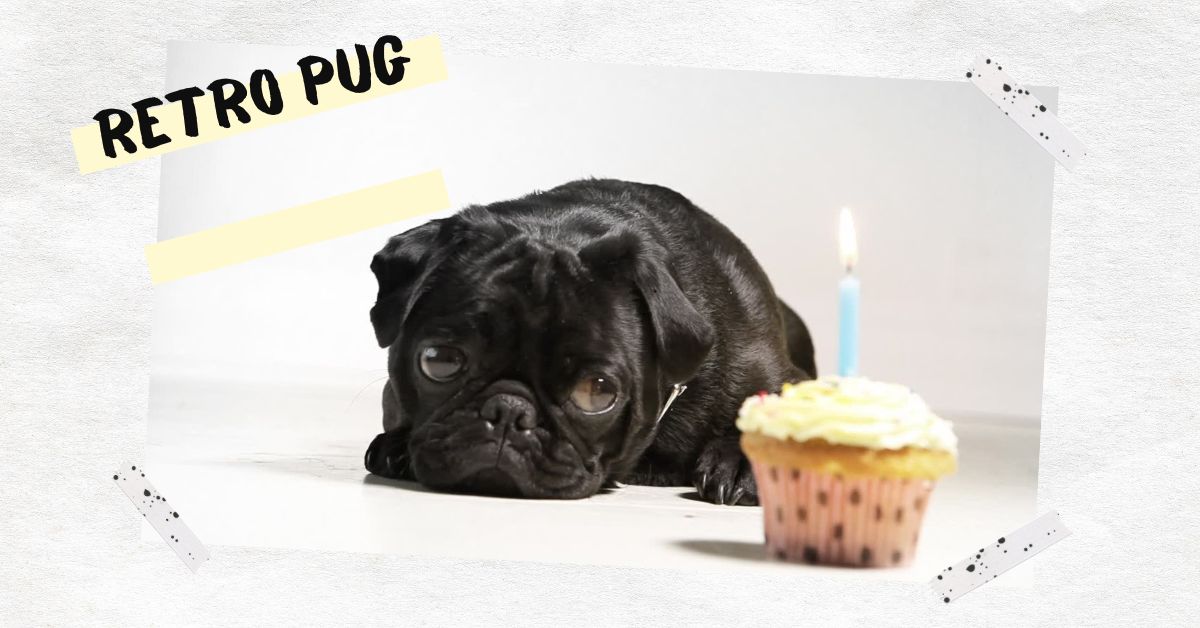
Retro pugs are more than just pets; they are a living connection to the past. Unlike modern pugs, retro pugs retain the classic features that once defined this breed in the early 20th century. Their rounder faces, longer snouts, and leaner bodies evoke a sense of nostalgia for dog lovers who appreciate historical charm. Owning a retro pug is like holding a piece of living history, where every characteristic tells a story of careful breeding and timeless appeal.
History of the Pug Breed
The pug breed has a rich and fascinating history. Originating in ancient China, pugs were cherished by royalty for their loyalty and playful nature. They eventually spread to Europe, where they became companions of noble families and even inspired artists and literature. Retro pugs, in particular, reflect the original physical traits before modern breeding trends altered the appearance of the breed. They remind us of pugs seen in vintage paintings and photographs, capturing the elegance of their early days.
Defining Features of Retro Pugs
Retro pugs stand out due to their distinct physical characteristics. They typically have a longer muzzle, less pronounced wrinkles, and a leaner frame compared to their contemporary counterparts. Their eyes are expressive yet balanced, avoiding the extreme bulging seen in some modern pugs. These features not only make retro pugs aesthetically pleasing but also contribute to better overall health and comfort, as exaggerated features can sometimes lead to breathing problems and other health concerns.
Retro Pugs vs. Modern Pugs
The contrast between retro and modern pugs is striking. Modern pugs often have exaggerated features, such as extremely flat faces, compact bodies, and deep wrinkles, due to selective breeding aimed at creating a “cute” appearance. While these traits may appeal visually, retro pugs maintain a functional structure, resulting in fewer health complications. Choosing a retro pug means prioritizing the dog’s well-being while still embracing the charm and personality of the breed.
Temperament and Personality
Retro pugs are known for their affectionate and sociable nature. They are playful yet gentle, making them excellent companions for families and individuals alike. Their intelligence and eagerness to please make training relatively straightforward, though they do appreciate consistency and patience. Despite their small size, retro pugs have a confident and curious personality, often forming strong bonds with their owners and thriving on social interaction and attention.
Health Benefits of Retro Traits
One of the main advantages of retro pugs is improved health compared to modern pugs. Their less flattened faces allow for easier breathing and reduce the risk of respiratory issues. Additionally, retro pugs tend to have fewer eye problems and joint issues due to their more proportionate structure. By preserving these historical traits, retro pug breeders help ensure the longevity and quality of life for these adorable companions.
Caring for a Retro Pug
Caring for a retro pug requires attention to diet, exercise, and grooming. Due to their energetic yet compact nature, daily walks and moderate playtime are essential for maintaining a healthy weight and preventing obesity. Grooming involves regular brushing to manage shedding, cleaning facial folds, and monitoring for ear infections. With proper care, retro pugs can live long, happy lives while maintaining their striking vintage appearance.
Feeding and Nutrition Tips
A balanced diet is crucial for a retro pug’s health. High-quality dog food rich in protein, fiber, and essential nutrients supports muscle development and digestion. Avoid overfeeding, as pugs are prone to weight gain, which can exacerbate joint and respiratory issues. Treats should be given sparingly, and fresh water should always be available. Proper nutrition ensures your retro pug remains active, alert, and full of life.
Exercise Requirements
Despite their small stature, retro pugs require regular exercise to stay healthy. Short daily walks, interactive toys, and play sessions help maintain physical fitness and mental stimulation. Unlike some breeds, retro pugs do not demand extreme physical activity but benefit greatly from consistent movement to prevent obesity and maintain a positive mood. Exercise also strengthens the bond between owner and dog, promoting a happier household.
Training and Socialization
Training a retro pug is both fun and rewarding. Positive reinforcement techniques, such as treats, praise, and gentle guidance, work best. Early socialization is important to help them interact confidently with other pets and people. Retro pugs respond well to consistent routines and enjoy learning new tricks, making them an engaging and responsive companion. Patience and humor go a long way when teaching these clever little dogs.
Retro Pugs in Pop Culture
Retro pugs have captured the imagination of many, appearing in vintage advertisements, movies, and even classical art. Their charming expressions and playful demeanor make them ideal subjects for photographers and artists. Retro pugs often evoke feelings of nostalgia, reminding people of earlier times when dogs were both companions and cultural icons. Their presence in media continues to highlight their timeless appeal.
Breeding Considerations
Responsible breeding is essential to preserve the retro pug’s traits. Ethical breeders focus on maintaining the original features while prioritizing health and temperament. Potential owners should research breeders thoroughly, asking about lineage, health screenings, and socialization practices. By choosing a reputable breeder, owners contribute to the preservation of this historical breed and support ethical breeding standards that benefit future generations.
Adoption and Rescue Options
Retro pugs can also be found through adoption or rescue organizations. Many dogs in need of homes possess these classic features, offering an opportunity to provide a loving environment while embracing the charm of the past. Adoption is not only rewarding but also helps combat overbreeding and gives dogs a second chance at a happy life. Rescued retro pugs often display gratitude and affection, forming deep bonds with their new families.
Grooming Essentials
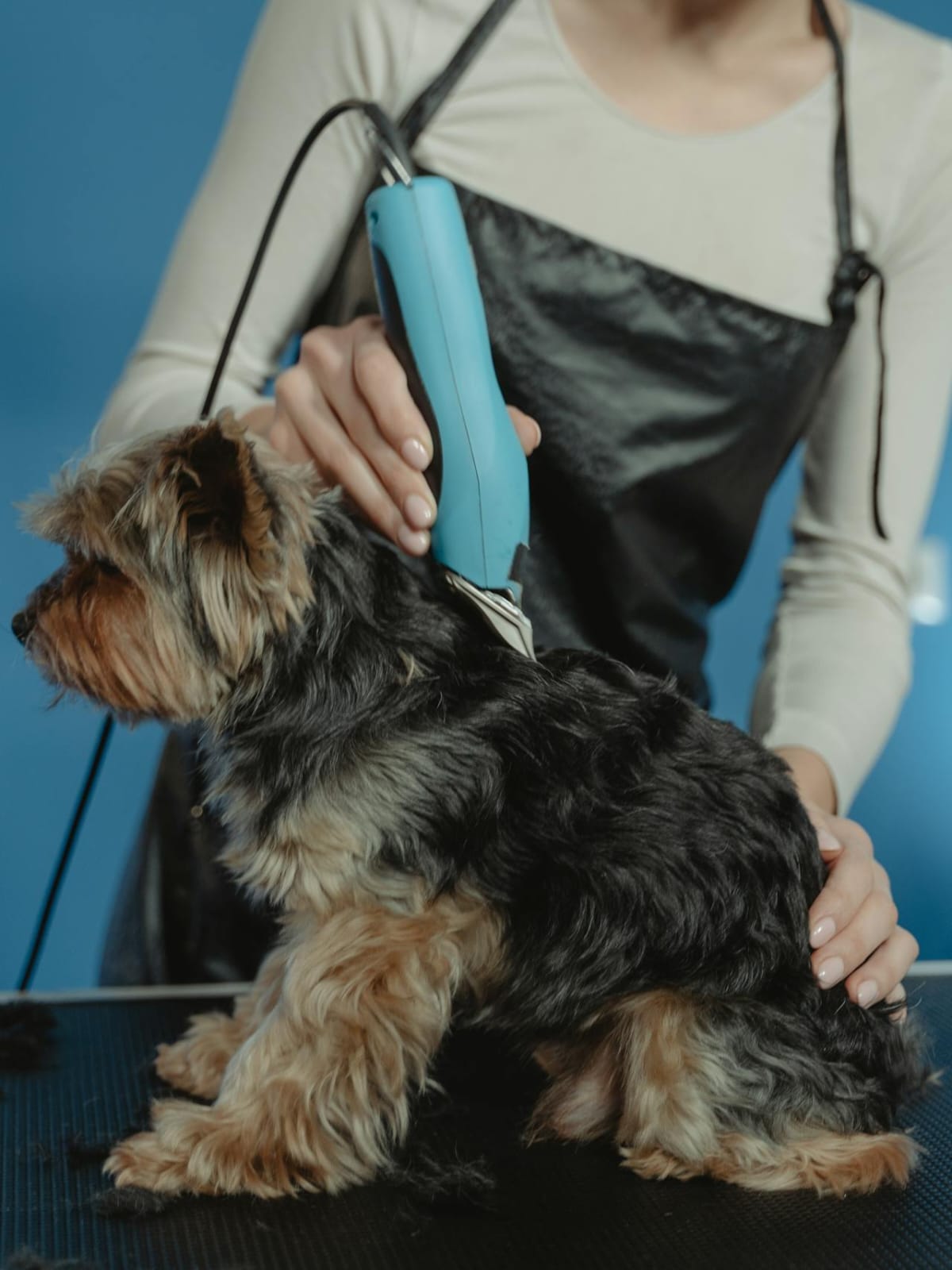
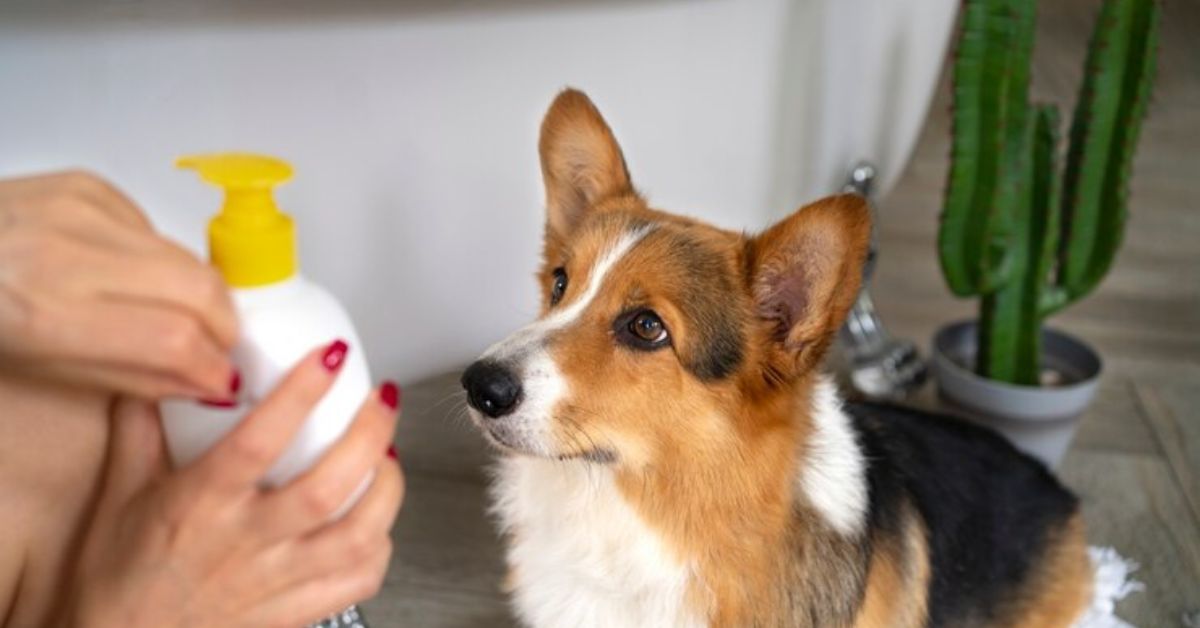
Grooming a retro pug is simple but important. Regular brushing minimizes shedding and keeps their coat healthy, while occasional baths ensure cleanliness without irritating their skin. Facial folds should be gently cleaned to prevent infection, and nails should be trimmed regularly. Oral hygiene is also crucial, as dental health directly affects overall well-being. Proper grooming enhances both appearance and comfort for your pug.
Lifestyle Compatibility
Retro pugs adapt well to various living situations. Whether in an apartment, suburban home, or even a small rural property, they thrive with human companionship and moderate activity. Their friendly nature makes them ideal for households with children or other pets. Retro pugs are low-maintenance in terms of space but high in affection, making them perfect for individuals seeking a loving, loyal, and historically charming companion.
Conclusion
Retro pugs embody the perfect balance of charm, history, and health. Their classic features, affectionate nature, and adaptability make them a unique choice for dog lovers who value tradition and quality of life. By choosing a retro pug, owners enjoy the nostalgia of a timeless breed while promoting responsible breeding and ethical care. These delightful companions continue to capture hearts, proving that some things, like true charm and loyalty, never go out of style.
FAQs
What makes a pug “retro”?
A retro pug retains the original physical traits of early pugs, including a longer muzzle, leaner body, and less exaggerated facial features.
Are retro pugs healthier than modern pugs?
Yes, retro pugs generally have fewer respiratory and joint issues due to their more proportionate structure.
How much exercise does a retro pug need?
Moderate daily walks and interactive play are sufficient to keep a retro pug healthy and happy.
Can retro pugs live in apartments?
Absolutely, retro pugs adapt well to small living spaces as long as they receive affection, attention, and moderate activity.
Where can I find a retro pug?
Retro pugs can be found through reputable breeders, rescue organizations, or adoption networks specializing in historical breeds.