









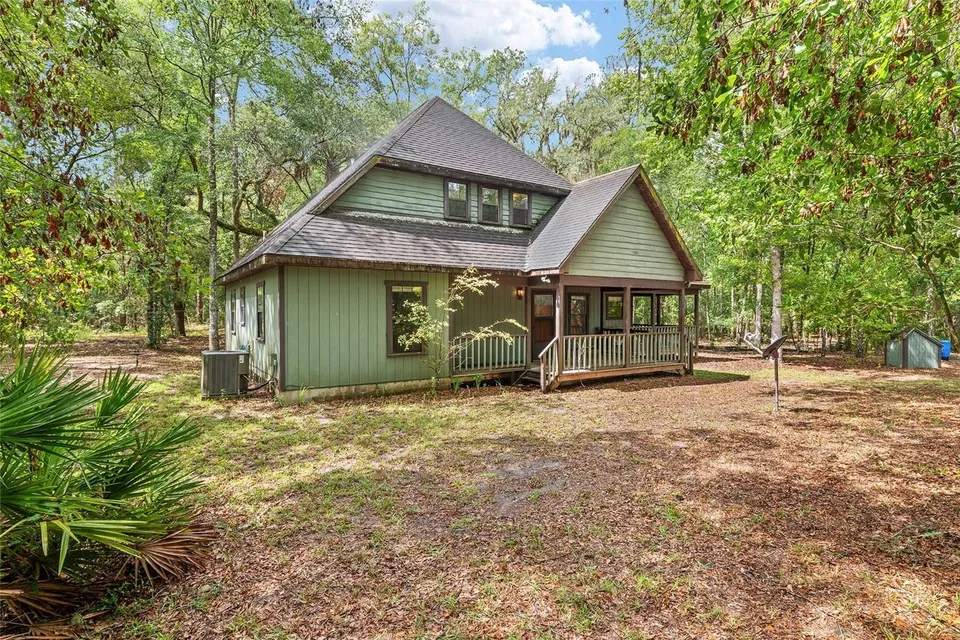
Buying a home in Gainesville or elsewhere in North Central Florida means choosing more than a floor plan, yard, or asking price. The surrounding streets, daily travel patterns, ownership costs, and future flexibility can have as much influence on your experience as the home itself. Buyers researching the area can start with Gainesville FL real estate experts Anson Properties, a boutique brokerage serving Gainesville, Ocala, and nearby North Central Florida communities. Anson Properties works across residential, land, investment, luxury, and equestrian properties, which makes its local perspective useful when comparing very different types of neighborhoods and homesites.
Two similarly priced homes can create very different monthly budgets, routines, and resale considerations. A practical comparison process helps you look beyond listing photos and decide which location fits your plans now and in years to come.
Start With Your Real Goals
Before comparing neighborhoods, define how you expect to use the property. A primary residence near work or the University of Florida may call for different priorities than a second home, rental property, retirement home, or acreage purchase outside the city.
Create three short lists:
- Non-negotiables: budget limits, bedroom count, commute range, accessibility needs, or acreage requirements.
- Strong preferences: a garage, nearby trails, walkable services, a pool, or a certain style of home.
- Optional features: upgrades that would be nice to have but should not outweigh the essentials.
This exercise makes tradeoffs clearer. For example, a buyer who values a short commute may prefer an established Gainesville neighborhood, while someone seeking privacy, pasture, or workshop space may focus on properties farther from the urban core.
Compare Total Monthly Costs, Not Just List Prices
A lower-priced home is not automatically the less expensive choice. Build a monthly ownership estimate for every serious contender that includes principal and interest, property taxes, homeowners’ insurance, flood insurance when applicable, association dues, utility expectations, maintenance reserves, tolls, and fuel costs.
An older home might have no association fee and lower taxes, yet need a larger maintenance reserve. A newer home may offer lower near-term repair needs but include recurring HOA dues. Review the estimated payment, taxes, insurance, and closing costs shown in a Loan Estimate before deciding which financing option and neighborhood budget are comfortable for you.
Test the Commute and Daily Routine
Map distance is only a starting point. Drive from each neighborhood during a normal weekday morning and evening, then revisit on a weekend. Pay attention to congestion, school traffic, construction, road access, toll routes, and the time required to reach work, medical care, grocery stores, airports, parks, and regular activities.
Gainesville-area buyers should also consider whether their routine depends on access to campus, healthcare facilities, major roads, or destinations beyond Alachua County. A location that feels convenient at noon can work very differently during peak travel times.
Evaluate Character, Convenience, and Housing Choices
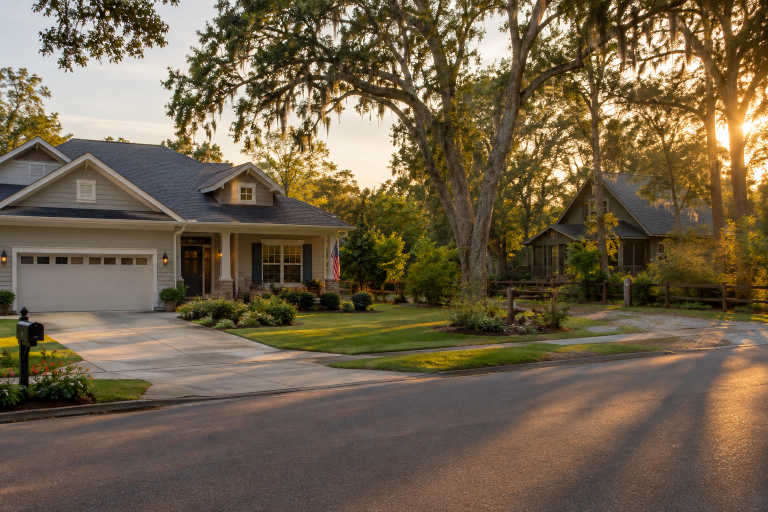
Every neighborhood has a different rhythm. Established areas may offer mature landscaping and a settled feel. Planned communities can provide shared amenities and more uniform rules. Downtown-oriented locations may prioritize proximity to restaurants and events, while rural properties can offer privacy, land, and room for outbuildings.
During visits, look beyond the house. Walk or drive the surrounding streets at different times of day. Consider nearby shopping, childcare, places of worship, parks, trails, restaurants, and medical services. Notice parking, street activity, noise, lighting, and whether the setting supports your preferred pace of life.
Also, compare property types. Single-family homes, townhomes, condominiums, historic properties, new construction, and acreage all involve different responsibilities. Ask about lot size, privacy, guest parking, exterior maintenance, shared amenities, and whether future construction could change the setting or add competing inventory.
Check Insurance, Flood Risk, and Drainage Early
Insurance research should happen before an offer becomes difficult to change. Age and condition of the roof, electrical system, plumbing, wind-mitigation features, prior claims, and proximity to water can affect coverage options and cost. Request estimates for the specific property rather than relying on broad assumptions about an entire ZIP code.
Use the official FEMA Flood Map Service Center to review mapped flood hazard information for a property address. Treat that review as one part of due diligence, not a substitute for an insurance quote, survey, inspection, drainage history, or professional advice. When touring, ask about ponding after heavy rain, drainage paths, retention areas, and visible changes in grade.
Review Taxes, Rules, and Community Documents
Do not assume a seller’s current tax bill will match yours after purchase. Ownership changes and exemptions can affect future tax obligations. Verify estimates with the relevant local authority and include them in your monthly comparison.
For homes with an HOA or condominium association, read the governing documents before your review period ends. Focus on:
- Regular dues and any pending special assessments.
- Reserve funding and maintenance responsibilities.
- Rental and occupancy restrictions.
- Pet, parking, fence, vehicle, and exterior-improvement rules.
- Approval requirements for additions, landscaping, or outbuildings.
Compare Schools, Services, and Market Conditions Carefully
Families may want to verify school boundaries, transportation, enrollment information, after-school programs, and childcare access through current official channels before closing. School information matters to many buyers, but it should be weighed alongside daily travel, property condition, cost, and neighborhood fit.
For market research, separate active listings from pending and closed sales. Compare similar homes within the same neighborhood whenever possible, including sale prices, days on market, price reductions, seller concessions, and available inventory. Broad regional headlines can miss meaningful differences between nearby Gainesville communities, rural areas, and surrounding towns.
A Simple Neighborhood Scorecard
Score each neighborhood from one to five in the following categories, then write a sentence explaining each score:
- Monthly cost: Mortgage, taxes, insurance, dues, commuting, and maintenance.
- Commute: Actual travel time, traffic, road access, and tolls.
- Lifestyle fit: Convenience, recreation, services, and neighborhood atmosphere.
- Property condition: Roof, HVAC, plumbing, electrical, drainage, and maintenance needs.
- Resale appeal: Buyer demand, neighborhood upkeep, and competing homes.
- Risk review: Flood exposure, insurance availability, rules, zoning, and nearby development.
Common Mistakes To Avoid
Avoid choosing solely from photographs, comparing only list prices, waiting until after an offer to investigate insurance, or assuming nearby neighborhoods perform the same way. Do not skip HOA documents, rely on a single neighborhood visit, or treat a short map distance as proof of an easy commute.
Conclusion: Choose the Neighborhood Before the House
The best Gainesville-area home is not always the newest, largest, or least expensive option. It is the home in a location that matches your budget, routine, long-term plans, and comfort with ongoing costs. Compare at least three neighborhoods, visit more than once, test the commute, request insurance estimates early, and review the details that will still matter long after closing day.