








Ensuring the reliability of fire protection systems is fundamental for the safety of people and the preservation of property. One essential element in achieving this reliability is selecting the right components for fire flow testing. The accuracy of the data collected and the system’s responsiveness in real emergencies depend on the quality of the parts used. For engineers, facility managers, and fire safety professionals, understanding how proper component selection impacts system performance and legal compliance is crucial.
This article will explore the factors to consider when choosing components for fire flow testing, discuss best practices for ongoing maintenance, and outline solutions for common challenges. By following these guidelines, professionals can enhance the effectiveness of their fire protection strategies and meet evolving industry standards.
Understanding Fire Flow Testing
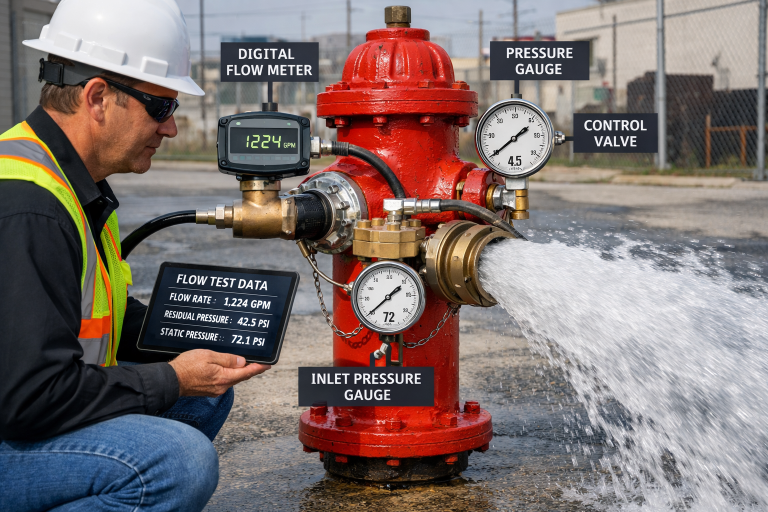
Fire flow testing is the process through which the water supply’s capacity to meet the demands of fire protection systems is measured. It involves gauging both flow rates and water pressure to ensure that, when a fire occurs, enough water can be delivered to suppress the flames and prevent escalation. Regular fire flow testing helps pinpoint weaknesses in municipal or private water supply and distribution systems. According to the National Fire Protection Association (NFPA), following scheduled testing protocols helps ensure your fire suppression systems remain fully operational and compliant with safety codes.
Adhering to these recommendations not only safeguards property and life but also helps avoid fines, delays, and liability issues arising from non-compliance. Accurate test results are possible only when high-quality equipment is used throughout the process.
Key Components in Fire Flow Testing
Several vital components are required to conduct thorough, reliable fire flow tests. Each plays a distinct role in gathering accurate data and preventing failures.
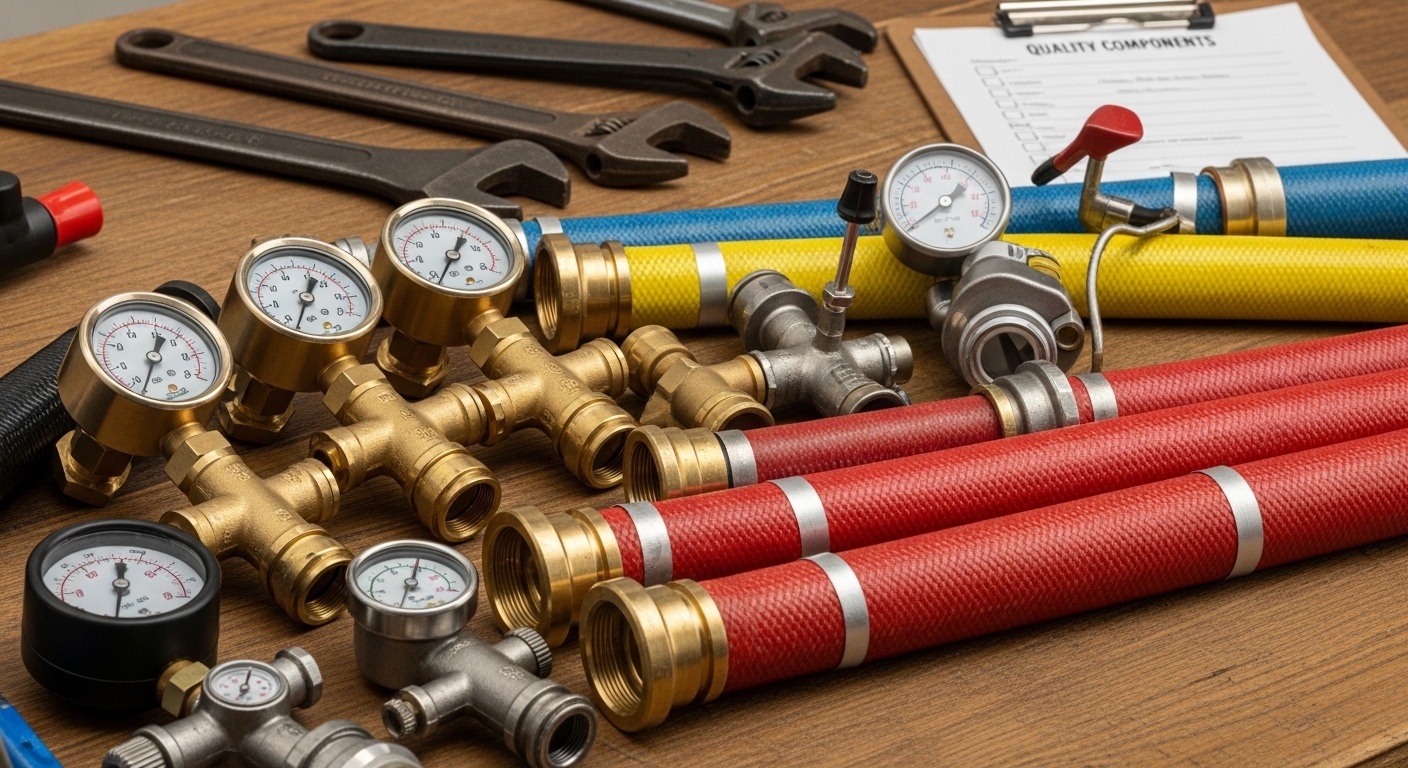
- Flow Meters: These devices are indispensable, as they measure the volume of water passing through the system during a test. Accurate measurements are essential for validating the system’s effectiveness and tracking performance over time.
- Pressure Gauges: These instruments record water pressure within the system, which is vital for evaluating whether adequate force and flow are available for firefighting.
- Test Valves: Specially designed for controlled water discharge, these valves allow tests to proceed smoothly without disturbing standard operations.
- Hose Connections: Secure, compatible fittings are required to attach hoses during discharge, ensuring consistent, reliable results.
Criteria for Selecting Quality Components
The following criteria should guide the selection of equipment for fire flow testing to guarantee reliable operation and long-term durability:
- Compliance with Standards: It is crucial to choose components that meet established standards, including NFPA 25. This ensures your equipment has been designed and tested for fire conditions and meets legal and insurance requirements.
- Material Durability: Seek out products constructed from resilient, corrosion-resistant materials such as stainless steel or brass. Doing so increases service life and maintains performance in challenging environments, reducing maintenance costs and risk of component failure.
- Accuracy and Calibration: Equipment such as flow meters and gauges should offer high accuracy and straightforward calibration procedures to ensure reliable test results over time.
- Ease of Maintenance: Selecting components that are easy to access and simple to service will reduce downtime, facilitate routine inspections, and ensure continued accuracy.
Importance of Regular Testing and Maintenance
Consistent testing and maintenance underpin the reliability of any fire protection system. The NFPA 25 standard stipulates that regular reviews help uncover hidden issues, such as internal corrosion, valve failures, or obstructed pipes, before they affect system performance. Failure to properly maintain and test equipment not only creates a safety risk but can result in legal penalties and higher insurance costs.
Common Challenges and Solutions
Implementing and maintaining effective fire flow testing routines comes with its own set of challenges:
- Identifying Obstructions: Sediment, mineral buildup, or debris inside water pipes can significantly reduce flow rates. Scheduling internal pipe inspections and cleanings, as outlined by standards like NFPA 25, addresses these obstacles before they become critical.
- Ensuring Component Compatibility: Using mismatched or incompatible fittings and test equipment can compromise test accuracy and long-term system health. Always verify that components are specified to work together to avoid leaks, pressure drops, or false readings.
- Maintaining Accurate Records: Keeping thorough and organized records of every testing and maintenance procedure improves compliance and provides valuable data for evaluating long-term system effectiveness. Digital systems are increasingly replacing paper logs, making access and analysis easier.
Final Thoughts
Choosing high-quality, standards-compliant components for fire flow testing is central to safeguarding lives, minimizing damage, and ensuring business continuity. Reliable fire protection is built on durable equipment, regular maintenance, and a commitment to following best practices in the field. When systems are tested with the right components, and the recorded documentation is accurate and up-to-date, organizations can trust their emergency response will perform as expected when needed most.