








Water heater issues are a regular challenge in many households, often causing frustration when you need hot water the most. Understanding these problems and their solutions can help keep your water heater running smoothly. Whether you are facing sudden cold water or strange noises, effective troubleshooting is essential. If you find the troubleshooting process overwhelming or the fixes do not work, professional help for water heater repair may be necessary to restore comfort and safety to your home.
Most water heater problems can be addressed at home with basic tools and know-how. However, knowing when to call in a professional is just as important as identifying the problem itself. By learning to address the most common issues, you can save time and potentially prevent more serious plumbing complications in the future.
Homes undergoing renovations often experience disruptions to plumbing or piping. If your project involves significant alterations or upgrades, working with a knowledgeable remodel contractor can streamline the installation or replacement of water-heating systems.
No Hot Water
One of the most urgent water heater complaints is the abrupt loss of hot water. The underlying causes depend on the heater’s power source:
- Electric Water Heaters: If the unit is cold, first check your electrical panel for a tripped breaker. Reset it and see if it trips again; that could indicate underlying wiring issues that need expert attention.
- Gas Water Heaters: A common culprit is an extinguished pilot light. If it is out, follow the manufacturer’s procedure to relight it. If the pilot will not stay lit, a faulty thermocouple or a gas flow problem may be to blame, both of which require trained intervention.
For a comprehensive overview, the U.S. Department of Energy provides additional tips for diagnosing water heater issues that may result in no hot water.
Inadequate Hot Water
If your hot water runs out faster than it should, several problems might be causing the shortfall:
- Incorrect Thermostat Setting: Sometimes, the thermostat is set too low. Check and adjust it to somewhere between 120 and 140 degrees Fahrenheit for most homes.
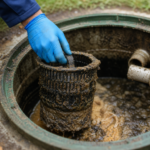
- Sediment Buildup: Over the years, hard water minerals settle at the bottom of your tank, reducing efficiency and capacity. This can often be resolved by draining and flushing the tank annually, a task recommended by most manufacturers.
Water Temperature Fluctuations
Inconsistent water temperatures can be both uncomfortable and difficult to diagnose. Some potential causes include:
- Thermostat Issues: Thermostats sometimes misread the tank temperature or fail altogether. Testing and, if necessary, replacing the thermostat can solve this.
- Damaged Dip Tube: This small but essential pipe delivers cold water to the bottom of the tank. A break can cause cold water to mix at the top, resulting in sudden temperature changes. Dip tube replacement is a straightforward but important fix.
Strange Noises
Unusual sounds, such as banging, popping, or rumbling, especially during heating, are often caused by excessive sediment on the tank bottom. To address this:
- Switch off power (or gas) to the heater.
- Attach a hose to the unit’s drain spigot and fully drain the tank.
- Flush with clean water, then refill and restore power.
Regularly flushing the system can prevent further noise and extend the heater’s lifespan. Modernize offers more suggestions for managing sediment and keeping your water heater in top shape in its water heater maintenance guide.
Discolored or Smelly Water
If the water from your tank is rusty or has an unpleasant odor, it may indicate two primary issues. Firstly, anode rod corrosion can occur, where the sacrificial anode rod, designed to prevent rust, deteriorates over time. It is advisable to inspect this rod every few years and replace it if it shows significant signs of wear. Secondly, bacterial growth is another common cause, particularly in water heaters set below 120 degrees Fahrenheit, as these conditions can foster bacteria that lead to foul smells. To remedy this, flush the tank and temporarily raise the temperature to 140 degrees Fahrenheit to eliminate most bacteria.
Water Leaks
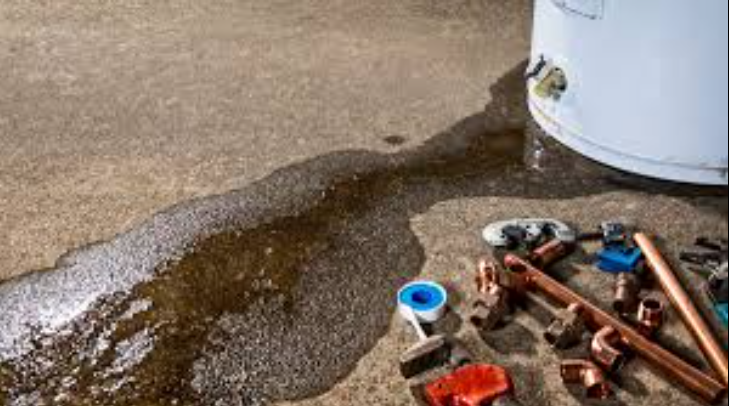
Leaking from a water heater can cause significant property damage, necessitating a prompt inspection. Check the connections to ensure that inlets and outlets are secure, as even minor drips can worsen quickly. A steady leak from the pressure relief valve may indicate it needs to be replaced. If water is leaking directly from the tank, it likely indicates internal lining damage, which typically requires a complete replacement rather than a repair. For additional guidance on handling leaks and extending the lifespan of water heaters, the U.S. Department of Energy offers energy-saving tips.
When to Call a Professional
It is crucial to seek professional expertise for certain water heater faults, such as recurrent failures despite troubleshooting attempts, serious corrosion, large leaks, tank failure, or suspected gas supply and venting issues that present safety risks. Regular maintenance and prompt attention to any malfunctions can prevent more significant repairs and avoid unexpected cold showers. Proper maintenance of the water heater ensures a reliable, safe supply of hot water over the years.
Conclusion
Water heater issues vary from minor problems to serious safety concerns. Early diagnosis of issues like no hot water, fluctuating temperatures, noises, or leaks prevents damage and costly repairs. Regular maintenance, including flushing and checking parts, is crucial for efficiency. Simple fixes can often be done at home, but complex problems require a professional. Proactive care extends the heater’s lifespan and ensures a reliable hot water supply, keeping the system safe and efficient in the long term.