









In Citrus County, Florida, home comfort depends on more than setting a low thermostat temperature. Long stretches of heat, frequent rain, and humid outdoor air can make air conditioning systems work harder while leaving rooms feeling sticky, uneven, or uncomfortable. Understanding how air conditioning manages both temperature and moisture helps homeowners spot problems before they become more disruptive.
A comfortable home should feel consistently cool, reasonably dry, and well ventilated. When one of those pieces is missing, lowering the thermostat may increase runtime without addressing the underlying issue, such as restricted airflow, duct leaks, excess indoor moisture, or an equipment problem.
Why Citrus County Homes Face Cooling Challenges
Florida cooling systems often operate for extended periods, especially during warm and humid weather. Heat can enter through sunny windows, attic areas, exterior doors, and gaps around penetrations. Moisture can enter when doors and windows are opened, through air leaks, and from everyday activities such as showering and cooking. A home may reach its thermostat setting yet still feel damp because temperature control and moisture removal are separate jobs.
Temperature and Humidity Are Different
Sensible cooling lowers the air temperature. Dehumidification removes moisture from the air. Both affect comfort. A system that cools too quickly may not run long enough to remove as much moisture as the home needs, while a system with airflow or drainage trouble may also struggle to manage humidity. Before considering air conditioning upgrades, homeowners should identify whether sizing, insulation, ducts, or indoor moisture are contributing to the problem. More information on air conditioning installation options in Citrus County is available at frankairinc.com.
How to Check Indoor Humidity
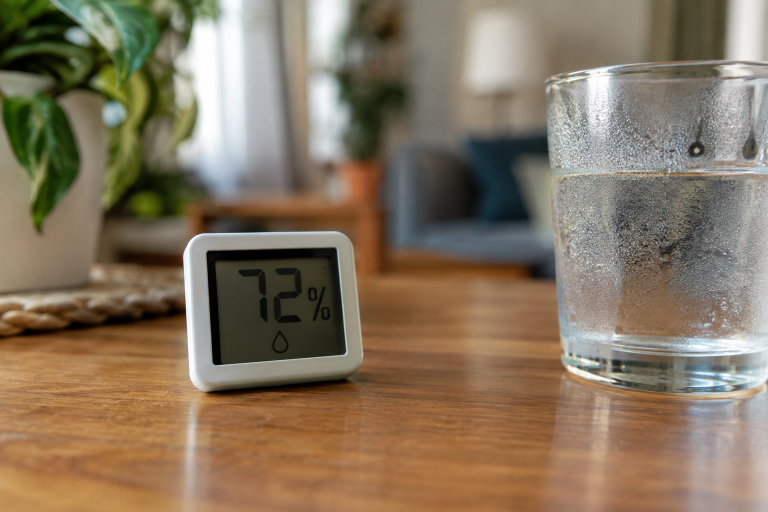
A small digital hygrometer can provide useful information about conditions inside the home. The EPA recommends maintaining indoor relative humidity between 30 and 50 percent, since high humidity can increase the likelihood of mold growth. Place the monitor away from supply vents, exterior windows, kitchens, and bathrooms, then compare readings in bedrooms and common areas at different times of day. The EPA also recommends using a moisture gauge and keeping indoor spaces clean and dry as part of moisture control.
Look beyond the number on the display. Condensation on surfaces, a musty smell, damp cabinets, peeling paint, or a room that feels persistently clammy can all indicate that moisture needs attention.
Daily Habits That Reduce Cooling Demand
- Close blinds or curtains during the sunniest part of the day.
- Run kitchen and bathroom exhaust fans while cooking or showering.
- Keep windows and exterior doors closed when the cooling system is operating.
- Use ceiling fans in occupied rooms, then turn them off when the room is empty.
- Avoid setting the thermostat drastically lower in an effort to cool a home faster.
- Use a programmable thermostat to reduce unnecessary cooling when the home is unoccupied.
- Delay heat-producing tasks, such as using an oven or dryer, during the hottest afternoon hours when practical.
Filters and Airflow Matter
A dirty filter can restrict airflow through the system. Restricted airflow may contribute to weak air from vents, uneven temperatures, longer cooling cycles, and in some cases coil icing. Check the filter monthly during heavy-use periods and replace or clean it according to the equipment and filter instructions. Homes with pets, active renovations, or higher dust levels may need more frequent attention. A filter should capture appropriate particles without being so restrictive that it limits the system’s designed airflow.
Ducts, Windows, and Insulation
Duct leaks in a hot attic can allow conditioned air to escape before it reaches living areas. Signs include weak airflow, rooms that never reach the set temperature, dust near vents, noticeable hot spots, or an unexplained rise in energy use. Weatherstripping exterior doors, using window coverings, and checking attic access points can reduce unwanted heat and air movement. It is often sensible to review these parts of the home before assuming a larger cooling system is necessary.
A Practical AC Maintenance Plan
Monthly Tasks
- Check or replace the air filter.
- Confirm that supply vents and return grilles are open and unobstructed.
- Look for water around the indoor unit.
- Remove grass, leaves, and stored items from around the outdoor unit.
Seasonal and Professional Tasks
Before peak cooling weather, test the thermostat, inspect accessible refrigerant-line insulation, and make sure the condensate drain area appears dry and unobstructed. Annual professional service can include coil cleaning, electrical checks, refrigerant performance checks, blower inspection, drain inspection, and airflow testing. ENERGY STAR advises annual pre-season checkups and notes that dirty coils, clogged drains, and neglected filters can reduce performance or create other problems.
When to Repair and When to Replace
Age alone does not determine whether equipment should be repaired or replaced. Consider the pattern of service needs, comfort concerns, humidity control, noise, parts availability, and operating costs. Obtain a clear diagnosis before approving major work, and compare equipment size, efficiency, warranty terms, and installation quality if replacement is being considered. Bigger equipment is not automatically better, because proper sizing matters for airflow, cycling, and moisture removal.
Warning Signs That Need Attention
- Warm air from vents, ice on refrigerant lines, or repeated short cycling.
- Water near the air handler or a recurring drain issue.
- Musty odors, unusual rattling, buzzing, or grinding sounds.
- Repeated breaker trips or a sudden increase in electricity use.
- Rooms that remain humid or uncomfortable despite normal thermostat settings.
Homeowners can check filters, vents, and visible debris, but refrigerant, electrical components, and sealed-system repairs should be handled by a qualified technician.
A Simple Home Cooling Checklist
- Measure indoor humidity in more than one room.
- Check the air filter and clear vents and returns.
- Inspect indoor equipment for water or drainage concerns.
- Clear debris around the outdoor unit.
- Check doors, windows, and attic access for air leaks.
- Review energy bills for unexpected changes.
- Arrange an inspection if comfort, humidity, or airflow problems continue.
Final Thoughts
For Citrus County households, dependable cooling means balancing temperature, humidity, airflow, and a well-sealed home. Small maintenance habits can reduce unnecessary strain, while recurring water, electrical, humidity, or airflow problems deserve prompt attention. The most effective comfort strategy is not always the coldest thermostat setting. It is finding and correcting the conditions that make the system work harder than it should.