










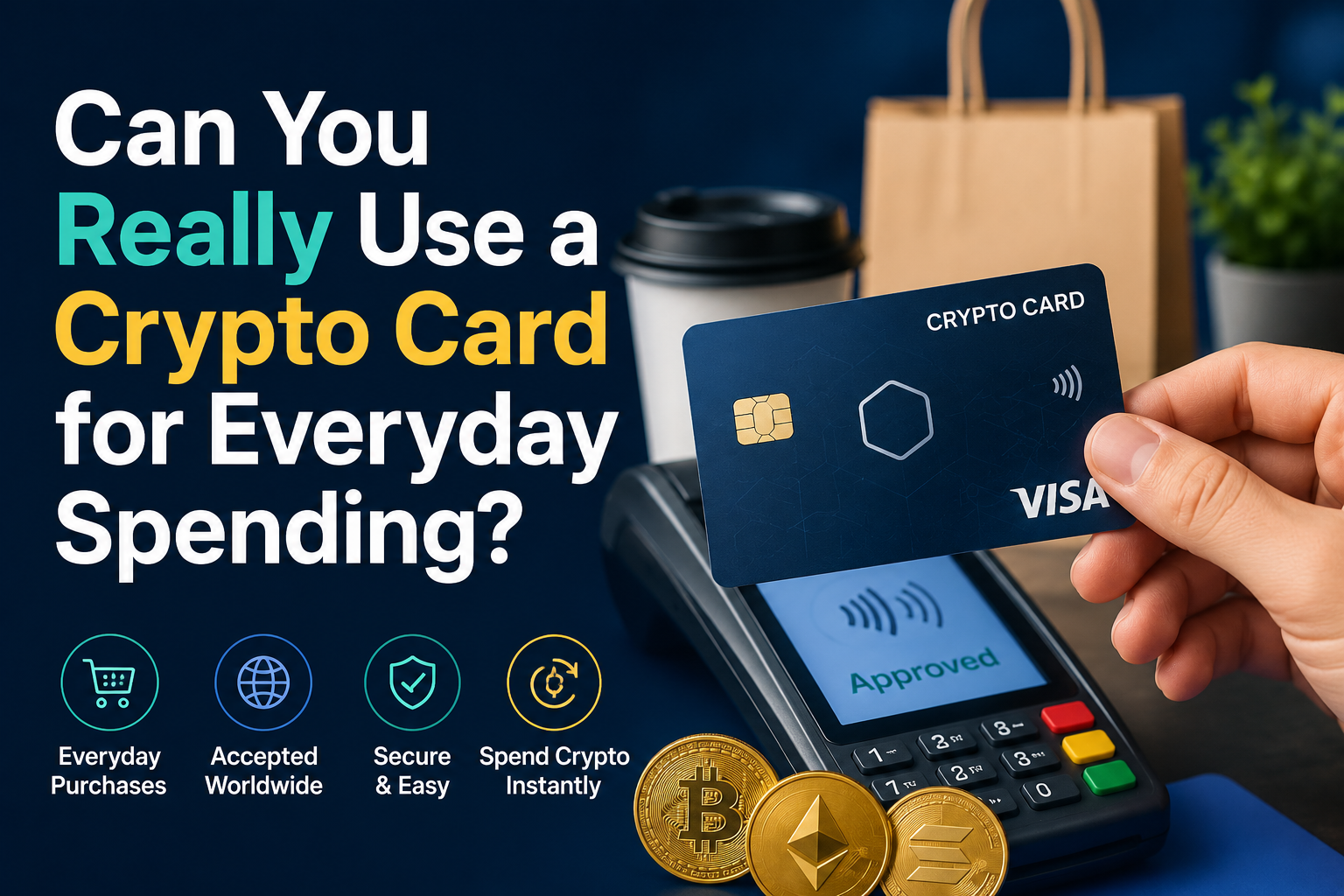
The pitch for crypto cards is that digital assets can become as spendable as the cash in your pocket. For everyday purchases, that promise is mostly true today, with some caveats worth understanding first. A grounded overview like NomadCrypto helps separate what works smoothly from what still trips people up.
For routine spending, the experience is genuinely seamless. You tap the card, the provider converts the required amount from your crypto or stablecoin balance in real time, and the merchant is paid in local currency over the standard network. There is no waiting, no manual selling, and no obvious difference at the checkout. Contactless payments, mobile wallets, and recurring subscriptions all behave exactly as they would with a bank card.
Stablecoins are what make everyday use practical. Spending volatile assets like Bitcoin on a coffee means the price could move between tap and settlement, and nobody wants that uncertainty on small purchases. Most active spenders therefore load a stablecoin balance, which behaves predictably for day-to-day payments while they keep volatile holdings separate for the longer term.
The caveats are cost and coverage. Each conversion carries a spread, so very frequent small purchases can quietly accumulate fees. A dozen daily taps each shaving a fraction of a percent adds up over a month in a way a single large purchase does not. And the card only helps where it is accepted and legal, so confirming coverage in your country and regular haunts matters before you rely on it.
Reliability is the other everyday consideration. A card that occasionally fails an authorization because of a slow conversion or a regional restriction is more annoying at a checkout than a slightly lower reward rate. Established providers with solid banking partners tend to handle these edge cases better, and a backup payment method is still worth carrying.
Rewards can make everyday spending mildly profitable, but only if the effective rate survives the fees. Calculate the real cashback on your normal basket rather than the advertised maximum, which usually assumes staking or high spend thresholds.
So yes, a crypto card can absolutely handle everyday spending, and for people who genuinely hold crypto it removes a real friction. The trick is to load stablecoins for predictability, pick a card with a low conversion spread and broad acceptance, and treat rewards as a bonus. Match those basics to your routine and the card fades into the background, which is exactly what an everyday payment tool should do.