










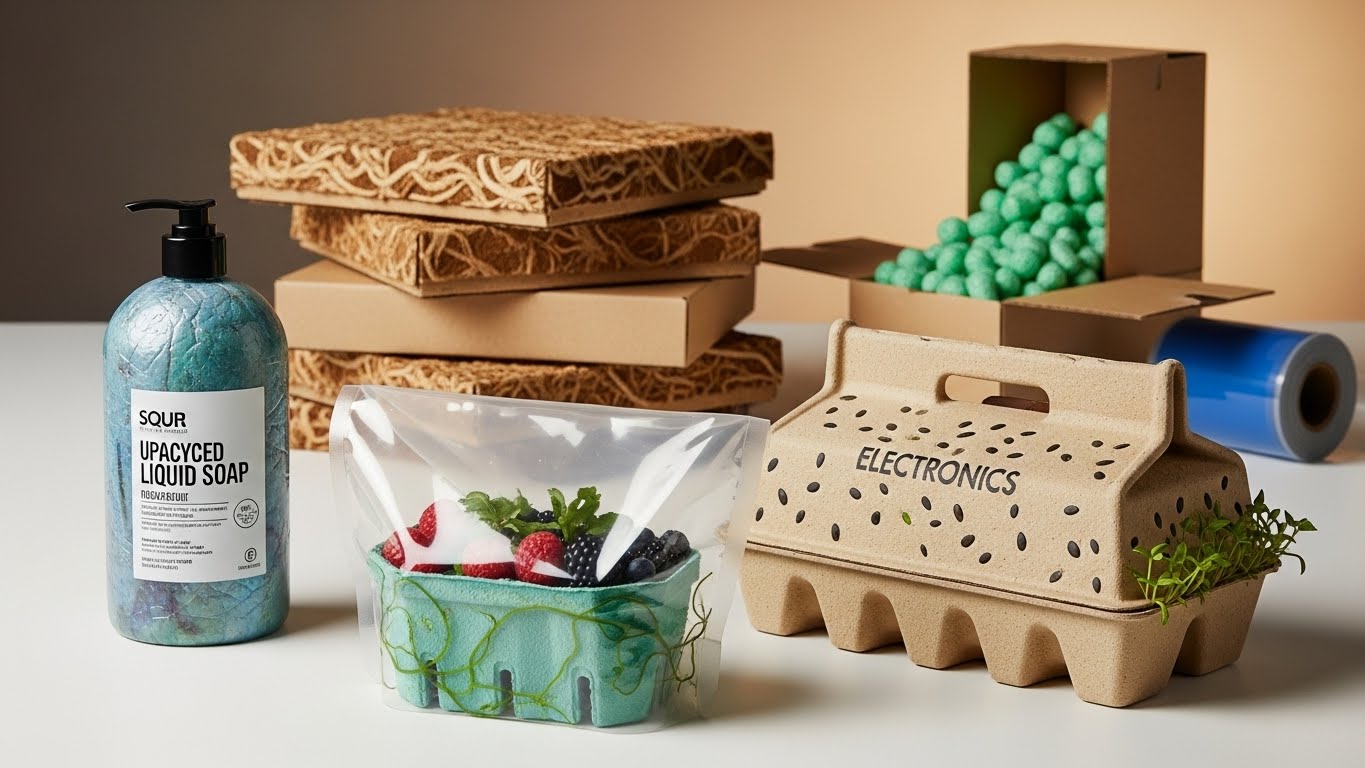
In today’s environmentally conscious market, the demand for sustainable packaging solutions is at an all-time high. Companies are exploring innovative materials that not only reduce environmental impact but also meet functional requirements. NXT Level Packaging, a leader in the packaging industry, specializes in providing top-quality products and customized solutions designed to enhance efficiency and sustainability. With over 25 years of experience, they offer a comprehensive range of packaging supplies and equipment, helping businesses reduce downtime and improve throughput.
Seaweed-Based Packaging: A Natural Alternative
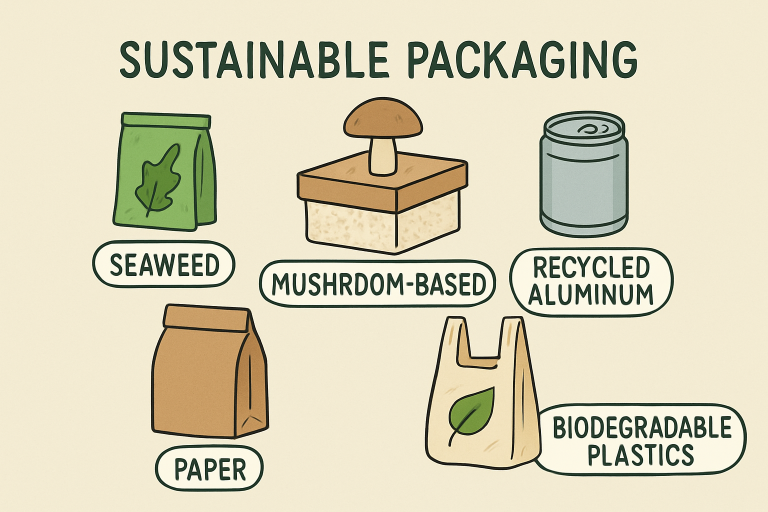
Seaweed-based packaging is emerging as a promising alternative to traditional plastics. Companies like Notpla have developed packaging solutions made from seaweed and other plant materials, offering a biodegradable and even edible option for the food and beverage industries. This innovation addresses the pressing issue of single-use plastic waste by providing a material that decomposes naturally without harming the environment.
Mushroom Packaging: Harnessing Mycelium
Mushroom-based packaging utilizes mycelium—the root structure of mushrooms—to create biodegradable packaging materials. This method involves growing mycelium around agricultural waste, forming a durable and compostable packaging solution. Such packaging not only reduces reliance on synthetic materials but also offers a sustainable end-of-life option, as it decomposes naturally without leaving harmful residues.
Recycled Aluminum: Closing the Loop
Aluminum is infinitely recyclable, making it a valuable material in sustainable packaging. Novelis, a leader in aluminum rolling and recycling, has introduced evercycle™ for cosmetics, a product line made from 100% recycled aluminum. This initiative not only reduces the demand for virgin materials but also ensures that packaging can be recycled repeatedly without loss of quality.
Paper-Based Solutions: Reducing Plastic Use
Major corporations are shifting towards paper-based packaging to minimize plastic usage. For instance, Amazon has reported a 16% reduction in single-use plastic packaging by adopting paper alternatives. This transition is driven by consumer preferences for recyclable materials and the environmental benefits associated with paper, such as higher recycling rates compared to plastics.
Biodegradable Polymers: The Future of Plastics
Biodegradable polymers, such as polyhydroxyalkanoates (PHAs), are gaining traction as sustainable alternatives to conventional plastics. These biopolymers are produced by microbial fermentation of renewable resources and can decompose naturally in various environments. Research indicates that PHAs can be enhanced with nanomaterials to improve their mechanical and thermal properties, expanding their applicability in packaging.
Edible Packaging: A Zero-Waste Solution
Edible packaging offers a zero-waste solution by creating materials that can be consumed along with the product. Innovations in this area include films and coatings made from proteins, polysaccharides, and lipids that serve as protective barriers while being safe for consumption. This approach not only eliminates packaging waste but also adds value to the product through its edible components.
Compostable Packaging: Returning to Nature
Compostable packaging materials are designed to break down into natural elements in a compost environment, leaving no toxicity behind. Materials like polylactic acid (PLA), derived from cornstarch, are used to create compostable packaging that offers similar functionality to traditional plastics but with a significantly reduced environmental footprint.
Final Thoughts
The shift towards sustainable packaging materials is not just a trend but a necessary evolution in response to environmental challenges. Innovations such as seaweed-based packaging, mushroom packaging, recycled aluminum, and biodegradable polymers are paving the way for a more sustainable future. Companies like NXT Level Packaging are at the forefront of this movement, offering advanced packaging solutions that align with environmental goals. By embracing these materials, businesses can meet consumer demand for sustainability while making a positive contribution to the planet.