






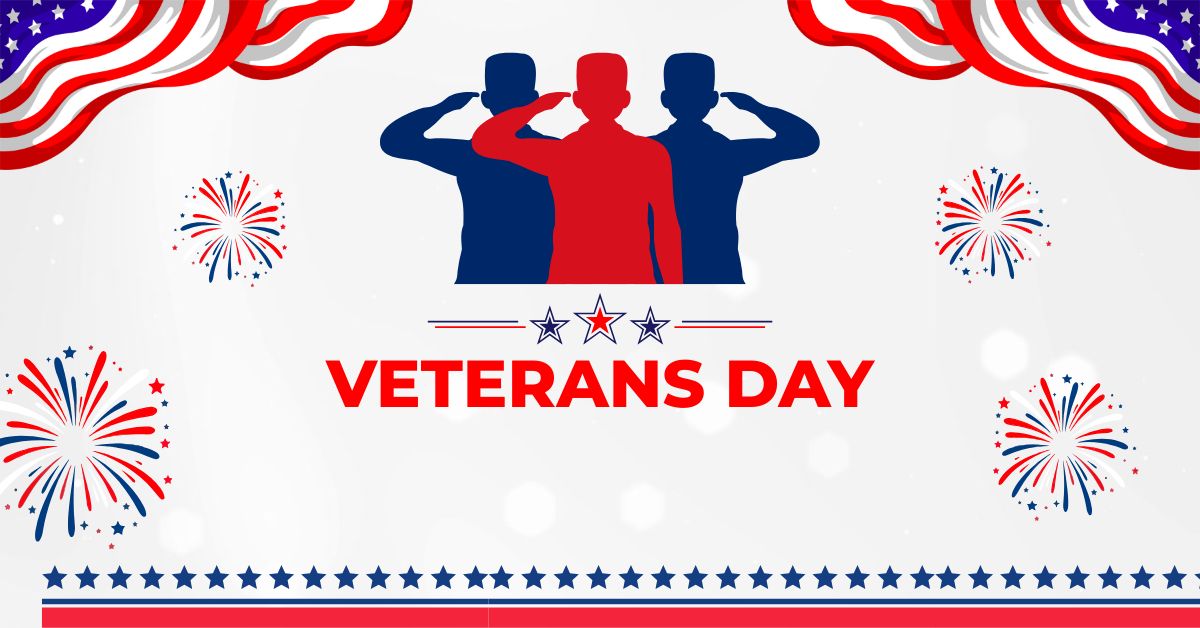
Veterans Day is a day dedicated to honoring the brave men and women who have served in the United States Armed Forces. Unlike other national holidays, its purpose is deeply rooted in gratitude—recognizing the sacrifices veterans made to protect the freedoms Americans enjoy. It’s not about politics or war; it’s about people, courage, and national appreciation.
The Historical Roots of Veterans Day
Veterans Day originated from a moment that symbolized the end of a global conflict. On November 11, 1918, World War I ended when the Armistice was signed between the Allied nations and Germany. This moment marked the “eleventh hour of the eleventh day of the eleventh month,” creating an iconic reference that would later become central to the holiday’s identity.
How Veterans Day Became a National Holiday
The U.S. officially recognized Armistice Day in 1938 as a day dedicated to world peace and honoring WWI veterans. However, after World War II and the Korean War, the nation knew that millions of additional veterans deserved recognition. In 1954, President Dwight D. Eisenhower signed a bill renaming Armistice Day to Veteran’s Day, transforming it into a day to honor all American veterans.
The Evolution From Armistice Day to Veterans Day
The shift from Armistice Day to Veterans Day represented more than just a name change. It highlighted the nation’s acknowledgment that military service extends far beyond a single conflict. Veteran’s from every era—whether they served in times of war or peace—are vital threads of the nation’s story. The holiday evolved to become inclusive, broad, and deeply meaningful.
Why Veterans Day Matters Today
In a world filled with technological advancements and shifting global dynamics, the significance of Veterans Day remains unwavering. It reminds people of the real human cost of protecting a nation—time away from families, emotional burden, physical challenges, and the willingness to risk one’s life. Today’s society benefits daily from freedoms made possible by veterans’ sacrifices.
The Symbolism Behind Veteran’s Day Traditions
Many traditions observed on Veterans Day carry symbolic meaning. Moments of silence at 11 a.m. pay tribute to the armistice. Parades bring communities together. Wreath-laying ceremonies honor fallen heroes while celebrating living veterans. Even the small act of wearing a poppy can symbolize remembrance and gratitude.
How Communities Celebrate Across the Nation
Cities and towns across the U.S. observe Veterans Day in various heartfelt ways. Major metropolitan areas hold large-scale parades, while smaller communities host flag ceremonies or local gatherings. Museums offer free admission to veterans, restaurants provide complimentary meals, and communities organize charity events to support veteran programs.
Schools and Youth Participation in Veterans Day
Education plays a vital role in preserving the meaning of Veteran’s Day. Schools often hold assemblies where students learn about military service through guest speakers, documentaries, or classroom activities. These efforts ensure younger generations understand the significance of the holiday and continue the tradition of honoring veterans.
The Role of Veterans in Modern Society
Veterans contribute to society in countless ways beyond their service. Many become leaders in business, education, healthcare, public service, and community organizations. Their discipline, resilience, and dedication often translate into meaningful contributions that strengthen society long after they retire from the military.
Challenges Faced by Veterans After Service
Transitioning to civilian life can be challenging. Veteran’s may struggle with employment, mental health, physical injuries, or the loss of military community. Recognizing these challenges is essential for offering support. By understanding the barriers veteran’s face, society can develop better resources and policies to assist their reintegration.
The Importance of Supporting Veteran Mental Health
Mental health remains one of the most critical issues affecting veterans. Many experience PTSD, anxiety, depression, or other service-related conditions. Veteran’s Day is a reminder that acknowledging their struggles and providing resources—therapy, community programs, crisis hotlines, and support networks—is essential to honoring their service.
Ways Individuals Can Honor Veterans
Honoring veterans doesn’t require grand gestures. Simple yet meaningful actions include writing thank-you letters, visiting local VA hospitals, donating to veteran organizations, or attending community events. Even taking a moment to express gratitude can make a significant impact. The goal is acknowledgment, respect, and heartfelt appreciation.
The Difference Between Veterans Day and Memorial Day
Though often confused, Veterans Day and Memorial Day serve different purposes. Memorial Day honors service members who died in the line of duty, while Veteran’s Day celebrates all veterans—living or deceased—who have served. Understanding this distinction ensures the meaning of each holiday is preserved.
The Future of Veteran’s Day in a Changing World
As times change, so do the ways people honor veterans. Digital tributes, virtual ceremonies, and online educational events are becoming increasingly common. Yet the core essence of the holiday remains the same: gratitude. The future of Veterans Day will continue to reflect the evolving needs of veteran’s while maintaining its proud traditions.
Conclusion
Veterans Day stands as a powerful reminder of the courage, resilience, and sacrifice of those who served the United States. It’s a day to pause, reflect, and express sincere appreciation to the men and women who dedicated their lives to protecting freedom. By understanding its history, honoring its traditions, and supporting veteran’s in meaningful ways, society ensures that this important day remains respected and unforgettable for generations to come.
FAQs
Why is Veterans Day celebrated on November 11?
Because it marks the anniversary of the 1918 armistice that ended World War I.
Is Veteran’s Day only for people who served in wartime?
No, it honors all U.S. military veterans who served during both war and peace.
What’s the difference between Veteran’s Day and Memorial Day?
Veteran’s Day honors all veterans, while Memorial Day honors those who died in service.
How can individuals show appreciation to veterans?
People can attend events, volunteer, donate, or simply express gratitude.
Do veterans get the day off work on Veterans Day?
Veterans Day is a federal holiday, but private employers may choose whether to give time off.