










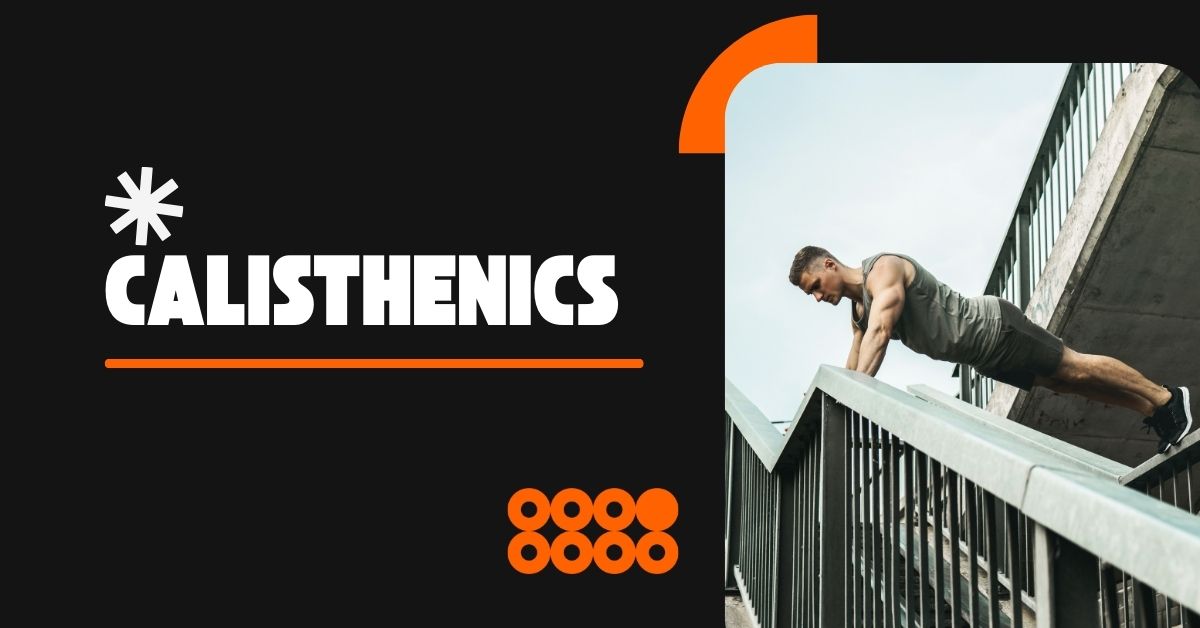
Calisthenics is more than just a fitness trend; it’s a way to train your body using your own weight. Unlike traditional gym workouts that rely heavily on machines or free weights, calisthenics emphasizes natural movement patterns, strength, and flexibility. Whether you’re in a small apartment, a park, or even traveling, calisthenics can be done almost anywhere, making it a versatile and accessible form of exercise for everyone.
History of Calisthenics
The roots of calisthenics trace back to ancient civilizations where warriors and athletes needed functional strength. Greeks and Romans practiced bodyweight exercises to develop endurance, agility, and coordination. In the 19th century, calisthenics evolved into a structured form of physical education, promoting overall health and discipline. Today, it has become a global fitness phenomenon with online communities and competitions.
Benefits of Calisthenics
Calisthenics provides numerous benefits that go beyond aesthetics. It improves functional strength, enhances flexibility, and boosts cardiovascular health. Unlike traditional weightlifting, it encourages natural movement patterns, reducing the risk of injury. It also promotes body awareness, balance, and core stability, which are essential for everyday activities and sports performance.
Calisthenics vs. Traditional Weight Training
While weight training focuses on isolated muscles with heavy loads, calisthenics emphasizes compound movements and body control. This makes it ideal for developing functional strength and mobility. Additionally, calisthenics often requires minimal equipment, lowering costs and increasing accessibility. However, advanced calisthenics moves can be just as challenging as lifting heavy weights.
Essential Calisthenics Exercises
Some basic calisthenics exercises include push-ups, pull-ups, dips, squats, lunges, and planks. These foundational moves target major muscle groups and build a strong base for more advanced techniques. Each exercise can be modified to match your skill level, making it suitable for beginners and experts alike. Consistency is key to mastering these movements.
Advanced Calisthenics Techniques
Once the basics are mastered, advanced moves like muscle-ups, front levers, handstands, and human flags can be incorporated. These exercises require strength, balance, and body control. Training for these moves not only builds muscle but also challenges coordination, flexibility, and mental focus, turning workouts into a full-body discipline.
The Role of Flexibility in Calisthenics
Flexibility is often overlooked in strength training, but it’s crucial in calisthenics. Stretching and mobility exercises prevent injuries, improve range of motion, and enhance performance in complex movements. Dynamic stretches before workouts and static stretches afterward create a balanced approach to flexibility, supporting both strength and recovery.
Calisthenics for Weight Loss
Calisthenics is an excellent tool for fat burning. Compound bodyweight exercises engage multiple muscles, boosting metabolism and calorie expenditure. High-intensity interval training (HIIT) using calisthenics moves can accelerate weight loss while preserving muscle mass. This combination of strength and cardio makes it a highly effective approach for those aiming to shed pounds.
Building Muscle with Calisthenics
Contrary to popular belief, calisthenics can promote muscle growth effectively. Progressive overload can be achieved through variations, repetitions, tempo changes, and advanced moves. Push-ups can evolve into one-arm push-ups, and squats can progress into pistol squats. Over time, these modifications create muscle hypertrophy similar to traditional weightlifting.
Mental Benefits of Calisthenics
Calisthenics not only strengthens the body but also the mind. Learning complex movements improves focus, patience, and discipline. Overcoming challenging exercises builds confidence and resilience. The sense of accomplishment from mastering a new skill can reduce stress, improve mood, and foster a positive mindset, creating a holistic approach to well-being.
Calisthenics for All Ages
One of the best aspects of calisthenics is its adaptability for all ages. Children can develop coordination and body awareness, adults can build strength and endurance, and seniors can maintain mobility and prevent age-related muscle loss. Exercises can be scaled up or down to match individual capabilities, making calisthenics an inclusive fitness option.
Equipment and Tools for Calisthenics
While calisthenics requires minimal equipment, some tools can enhance training. Pull-up bars, resistance bands, gymnastic rings, and parallettes add variety and challenge. These tools allow for greater progression and new movement patterns while still keeping the focus on bodyweight training. However, even without any equipment, effective workouts can still be performed.
Creating a Calisthenics Routine
Designing a calisthenics routine involves balancing push, pull, and leg exercises, along with core and mobility work. Beginners should start with basic movements, gradually increasing intensity and complexity. Rest days are crucial to prevent overtraining. Tracking progress and setting achievable goals ensures consistency and motivation over time.
Common Mistakes to Avoid
Many beginners rush into advanced moves or neglect proper form. Poor technique can lead to injury and slow progress. It’s important to prioritize quality over quantity, listen to your body, and build a strong foundation. Gradual progression, proper warm-ups, and recovery strategies are essential for long-term success in calisthenics.
Calisthenics Community and Competitions
The global calisthenics community is vibrant, with local meetups, online forums, and social media groups. Competitions showcase strength, creativity, and athleticism, inspiring others to push their limits. Being part of a community provides accountability, motivation, and shared knowledge, making the fitness journey more enjoyable and sustainable.
Conclusion
Calisthenics is a versatile, accessible, and highly effective form of training that strengthens the body, mind, and spirit. From basic push-ups to advanced handstands, it offers endless possibilities for growth and self-improvement. By combining strength, flexibility, and mental focus, calisthenic’s creates a holistic fitness experience that can be adapted to anyone’s lifestyle.
FAQs
Is calisthenics better than gym workouts?
Calisthenics is not necessarily better; it depends on your goals. It’s excellent for functional strength, flexibility, and convenience, while gym workouts may be better for heavy strength training and hypertrophy.
How often should I practice calisthenics?
Beginners can start with 3–4 sessions per week, gradually increasing frequency and intensity. Rest and recovery are crucial to prevent overtraining and injuries.
Can calisthenics help me lose weight?
Yes, calisthenic’s engages multiple muscles simultaneously and boosts metabolism, making it highly effective for fat loss, especially when combined with proper nutrition.
Do I need equipment for calisthenics?
No, most exercises rely on bodyweight only. Optional tools like pull-up bars, resistance bands, and rings can enhance training and progression.
How long does it take to see results?
Results vary depending on consistency, diet, and workout intensity. Beginners often notice strength and endurance improvements within 4–6 weeks, with visible muscle changes appearing after 8–12 weeks.