










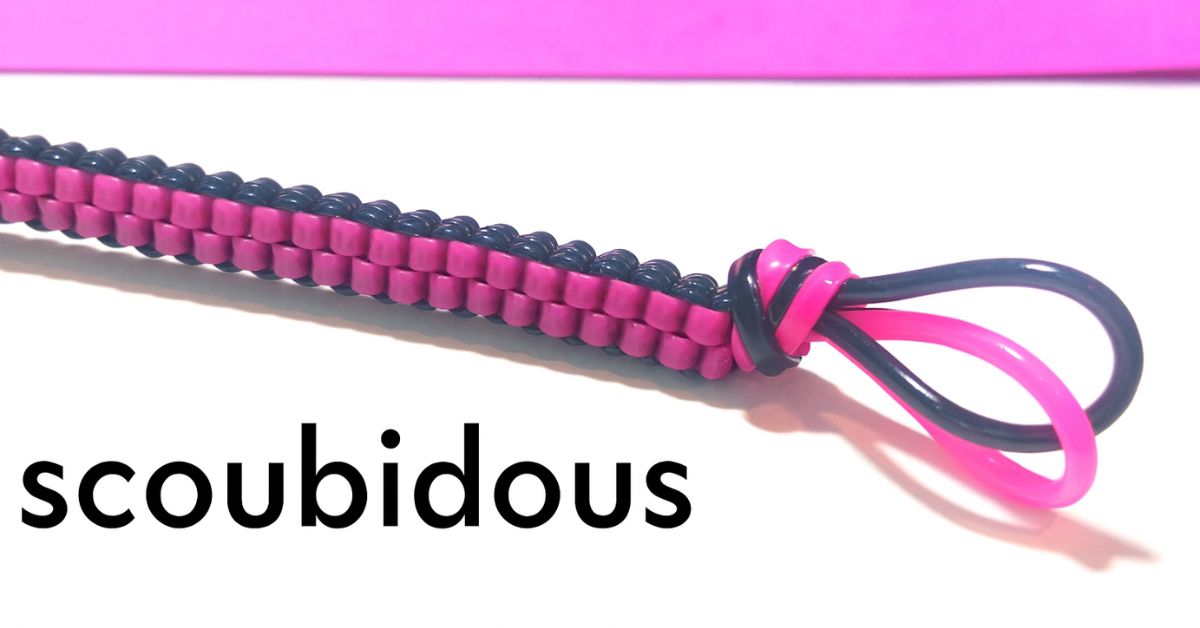
Scoubidous are colorful plastic laces that can be twisted and knotted into intricate shapes and patterns. This craft is beloved by kids, teens, and hobbyists alike, offering a creative and tactile way to spend time. From simple keychains to elaborate braided sculptures, scoubidous provide endless possibilities for artistic expression.
What Are Scoubidous?
Scoubidous are essentially thin, flexible plastic cords that are easy to manipulate into knots and braids. They are sometimes referred to as “boondoggle” in English-speaking countries. The laces come in a variety of bright colors and textures, making them visually appealing and fun to work with. Typically, scoubidous projects involve knotting these cords into geometric shapes or weaving them into three-dimensional designs.
History of Scoubidous Craft
Scoubidous originated in France during the mid-20th century. Initially, they were a simple children’s craft meant to encourage creativity and manual dexterity. French children would often use leftover cords from household projects, turning them into playful designs for themselves and their friends.
Global Popularity in the 1970s
The craft gained international recognition in the 1970s, particularly in Europe and North America. Its popularity skyrocketed because it was affordable, portable, and versatile. Children and teens could make gifts, accessories, or even trade scoubidous among friends, turning it into a social and creative activity.
Materials Needed for Scoubidous
The primary material for scoubidous is plastic lacing, also known as gimp or boondoggle string. These laces come in a variety of colors and widths, allowing for customized patterns. Some laces are smooth, while others have a textured finish, which can affect the overall appearance of the project.
Essential Tools
While scoubidous can be made with just the laces, some tools can make the process easier. Scissors are needed to cut the laces to the desired length. Clips or pins can hold cords in place during complex patterns, and rulers help ensure consistency in length for symmetrical designs.
Basic Techniques and Knots
The square knot is the foundation of many scoubidous designs. It involves weaving two cords in a way that creates a neat, flat knot. Mastering the square knot allows beginners to build a variety of patterns and forms with confidence.
The Spiral Knot
The spiral knot creates a twisted, cylindrical design. Unlike the square knot, which lies flat, the spiral knot rotates as you twist the cords, producing a three-dimensional effect. This knot is ideal for creating bracelets, keychains, or decorative handles.
Advanced Scoubidous Patterns
Once the basic knots are mastered, scoubidous can be used to create complex 3D shapes. Pyramids, cubes, and even miniature animals can be formed by combining multiple cords and knotting techniques. This level of craftsmanship requires patience but produces stunning results.
Braided Designs
Braiding involves intertwining multiple cords to create thicker and more intricate patterns. Braided scoubidous can be used to make belts, necklaces, or decorative wall hangings. Mixing colors in braided patterns can produce striking visual effects.
Benefits of Making Scoubidous
Creating scoubidous encourages children and adults to think creatively. With unlimited color combinations and patterns, crafters can experiment with new designs and develop their artistic instincts.
Developing Fine Motor Skills
The repetitive hand movements involved in knotting and braiding improve dexterity and hand-eye coordination. This is especially beneficial for children, helping to strengthen the muscles and coordination necessary for writing and other precision tasks.
Scoubidous in Modern Times
Scoubidous remain popular in schools and camps as a fun, inexpensive activity. Teachers and counselors often use scoubidous projects to engage students in hands-on creativity while teaching patience and focus.
Collectibles and Hobbyist Communities
Beyond casual crafting, scoubidous have also become a collectible hobby. Enthusiasts share their creations online, participate in contests, and trade rare patterns or unique laces. This has created a thriving global community of hobbyists who continue to innovate new designs.
Tips for Beginners
Beginners often struggle with uneven knots or twisted cords. To avoid this, it’s important to keep the cords taut while knotting and practice simple patterns before attempting more complex designs.
Choosing the Right Materials
Not all laces are created equal. Starting with medium-width, smooth laces in bright colors helps beginners see the knots clearly and creates visually appealing results. As skills improve, textured or multi-colored laces can be introduced to enhance designs.
Conclusion
Scoubidous are more than just a craft—they are a fun, creative outlet that encourages both artistic expression and practical skills. From simple keychains to elaborate 3D sculptures, scoubidous offer something for everyone. Whether you’re a beginner or an advanced hobbyist, the possibilities are endless, and the joy of creating something with your own hands is unmatched.
FAQs
What age is suitable for making scoubidous?
Children as young as 6 can start with basic knots, while more advanced designs are suitable for teens and adults.
How long does it take to make a simple scoubidou keychain?
A basic keychain can take anywhere from 10 to 30 minutes, depending on the knot and complexity.
Can scoubidous be made with materials other than plastic?
Yes, some people use fabric cords or leather strips, but plastic laces are the most flexible and colorful option.
How do I prevent my scoubidou from unraveling?
Tying a secure knot at the end and trimming excess cord helps prevent unraveling. Some hobbyists also use a small dab of clear glue.
Are there competitions for scoubidou designs?
Yes, online communities and local craft clubs sometimes host contests to showcase creative or intricate scoubidou patterns.