






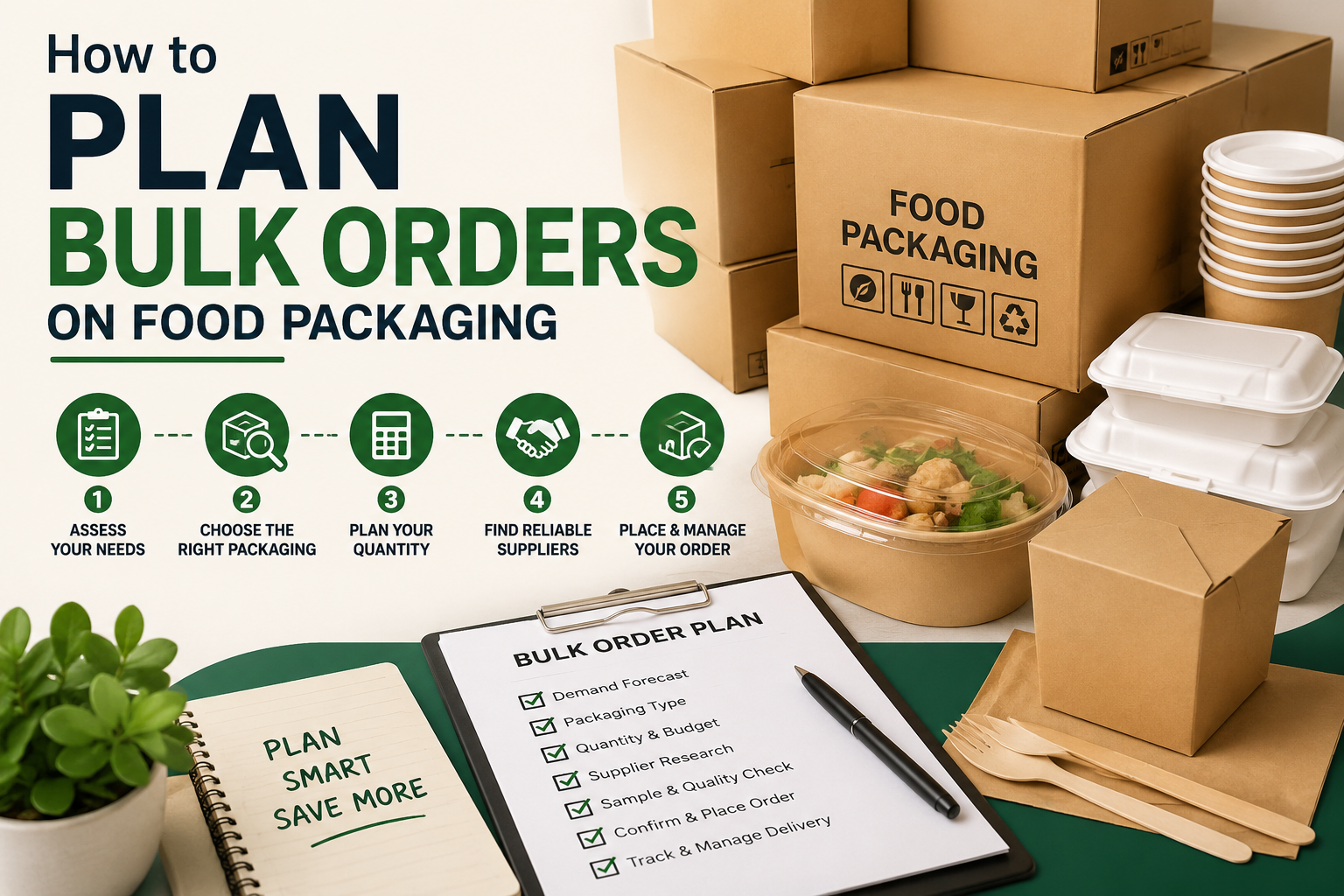
Many food-related businesses place bulk orders not only for food, but also for packaging supplies, as takeaways are becoming increasingly popular and can generate additional revenue. When planning a bulk order of paper food packaging, it is important to consider more than just how many containers a restaurant uses during an average week. Restaurants should also consider factors such as expected sales, seasonal demand, supplier lead times, storage capacity, and unexpected changes in order volume. The appropriate planning period varies depending on the business’s size and the packaging type, but ordering too close to a period of high demand can create unnecessary operational risks.
Consider seasonality
Restaurants may experience higher demand for takeaways during holidays, festivals, tourist seasons, sporting events or periods when customers are more likely to order food for delivery. For example, a restaurant near a tourist destination may require significantly more packaging during the summer than during quieter months. Businesses should review previous sales data to identify predictable increases and place bulk orders before demand rises.
Include special occasions
Christmas, New Year’s celebrations, Valentine’s Day, local festivals and major sporting events may increase takeaway and catering orders. Restaurants offering seasonal menus should estimate their packaging requirements for these periods separately, rather than relying on their regular consumption figures alone. If customised packaging is being used, additional lead time may be necessary because printing and production can take longer than ordering standard products.
Supplier lead times
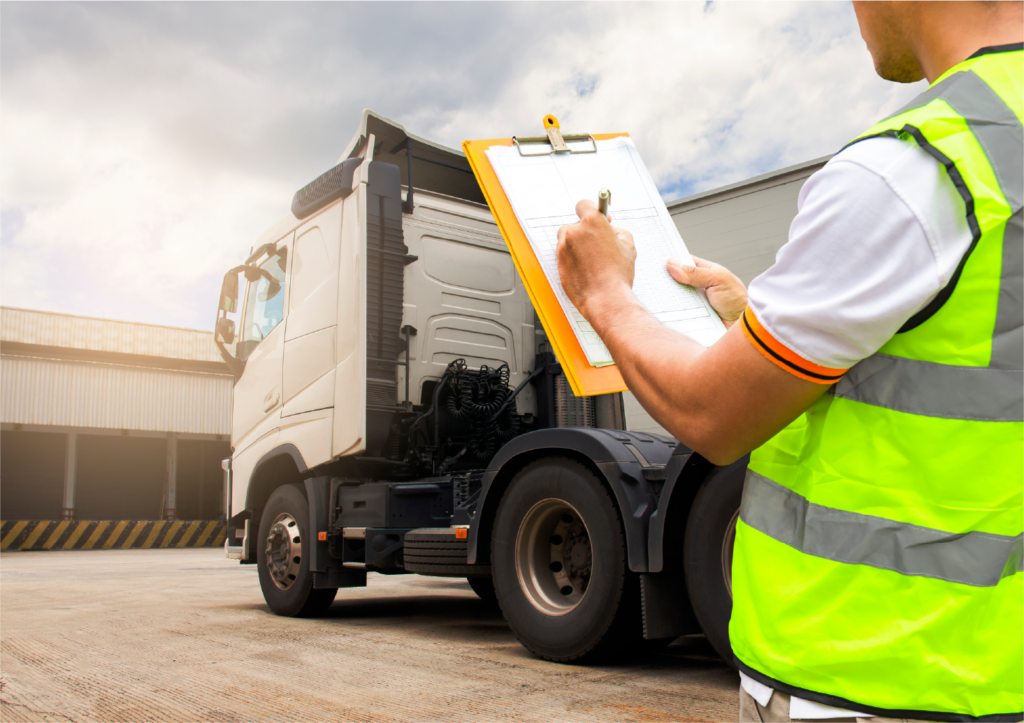
While standard paper boxes, bags, cups, and containers may be readily available from local suppliers, customised packaging may require production, printing, quality checks, and transportation before it reaches the restaurant. Businesses should ask suppliers like Univest about normal and peak-season lead times, and establish a reorder point that allows enough time to respond to any delivery delays.
Storage capacity
Although ordering a large quantity can reduce the cost per unit, the packaging still needs to be stored safely and efficiently. Restaurants with limited back-of-house space may not have room for several months’ worth of inventory. Although flat-packed paper packaging generally requires less storage volume, large bulk orders can still occupy significant shelf or floor space.
Changes to menu
If new dishes are introduced, existing packaging may no longer be suitable. Ordering several months’ worth of a particular container before a menu change could result in excess inventory. Therefore, it is useful to coordinate bulk purchases with menu planning, promotions and anticipated product changes.
A reasonable strategy is to maintain enough packaging for normal operations, while also holding additional stock in anticipation of predictable demand increases. For instance, a restaurant could calculate its average weekly consumption, add a safety margin and place orders well in advance of the supplier’s lead time to allow for potential delivery delays. The exact buffer required will depend on the reliability of the supplier and the critical nature of the packaging to daily operations. For customised paper packaging, planning several weeks or even months ahead may be appropriate, particularly for large orders or seasonal designs. Standard packaging may require a shorter planning horizon, especially when suppliers maintain local inventory.