









In today’s fast-paced hiring landscape, traditional recruitment metrics are no longer enough to provide a comprehensive view of organizational hiring efforts. As competition for talent intensifies, businesses are prioritizing more innovative approaches to measure and improve their recruitment processes accurately. The Hire Standard highlights how evolving expectations have made it essential to focus on metrics that give a deeper insight into both candidate quality and process efficiency. Companies that continue to rely solely on conventional indicators risk missing out on crucial data that speaks to the lasting success of their hires. While metrics such as time-to-hire and cost-per-hire remain relevant, organizations seeking sustained growth need to go beyond them to gain a holistic understanding of their recruitment outcomes. By embracing the right modern metrics, hiring teams can better identify gaps, improve the candidate journey, and ultimately enhance their employer brand. These data-driven improvements can help attract top talent and foster greater retention among new joiners. Shifting to a more contemporary toolkit helps HR and recruitment leaders objectively measure hiring effectiveness and ensure the company is set up for future success in a highly dynamic environment.
Limitations of Traditional Recruitment Metrics
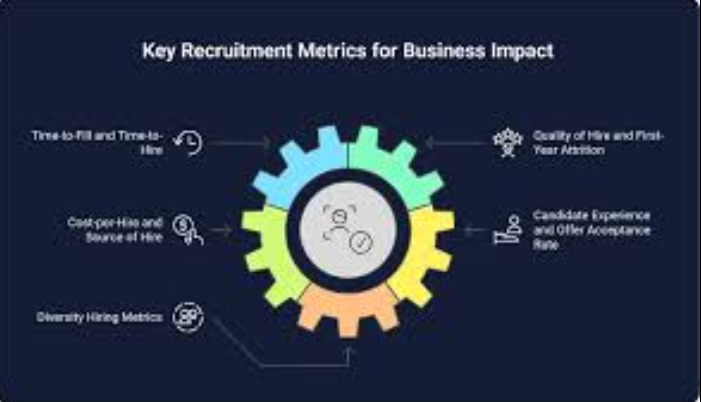
Commonly used metrics, such as time-to-hire and cost-per-hire, emphasize speed and basic financial efficiency in recruitment. Time-to-hire measures how quickly vacancies are filled, while cost-per-hire focuses on the direct expenses associated with making a hire. However, these figures can be misleading if considered in isolation. For example, recruiting someone in record time may not guarantee they are a long-term fit, and the lowest-cost option could lead to lower employee engagement or higher turnover rates in the future. This narrow focus can hinder long-term organizational performance and drain resources through frequent rehiring and disrupted teams.
Embracing Modern Recruitment Metrics
Modern organizations are integrating new metrics into their recruitment practices to provide a fuller, more nuanced picture of success. These contemporary approaches shine a light on the quality and impact of hires rather than just the speed or cost of bringing someone on board. Three essential metrics stand out:
Quality of Hire
This metric gauges how well new employees perform and adjust over the long run, factoring in factors such as job performance evaluations, cultural alignment, and retention data. A focus on Quality of Hire means organizations are not just filling seats, but are actively fostering positive business outcomes through thoughtful talent decisions.
Candidate Experience Score
Measuring the experience candidates have during the selection process reveals much about an employer’s brand and reputation. A strong candidate experience can generate positive word of mouth, increase offer acceptances, and drive stronger engagement post-hire. Surveys and feedback mechanisms, such as the Candidate Net Promoter Score (cNPS), offer valuable insights in this area.
Time-to-Productivity
While traditional approaches focus on how quickly a role is filled, time-to-productivity focuses on how quickly a new hire reaches expected on-the-job performance. This metric is crucial for evaluating both the recruiting quality and the effectiveness of onboarding programs. It helps companies spot opportunities to streamline learning curves and reduce ramp-up times, providing clear value to leadership and hiring managers alike.
Implementing Modern Metrics: A Step-by-Step Guide
- Define Clear Objectives: Clarify what each metric should achieve to align hiring with organizational goals.
- Collect Relevant Data: Gather quantitative and qualitative data using modern tools, including applicant tracking systems and performance management software.
- Analyze and Interpret: Regularly review trends in the data, compare benchmarks, and assess progress against set targets.
- Adjust Strategies Accordingly: Use these insights to improve recruitment and onboarding efforts for sustained hiring success continually.
Real-World Example: Tech Industry Adoption
The technology sector has been at the forefront of redefining hiring analytics. Many leading tech firms have shifted their focus from time-to-hire and pure cost management to emphasize metrics such as Quality of Hire and Candidate Experience Score. By doing so, they have seen higher employee satisfaction, increased retention among new hires, and more effective teams. This success is backed by research showing that a positive candidate experience directly translates into long-term improvement in employer brand, as found in SHRM studies.
Conclusion
To meet the expectations of top talent and fuel long-term business performance, companies must evolve beyond surface-level hiring statistics. Focusing on modern metrics like Quality of Hire, Candidate Experience Score, and Time-to-Productivity positions organizations to make informed, strategic decisions about their recruitment and onboarding programs. By leveraging these insights, businesses can ensure every hire is a valuable contributor to their growth and success in a quickly changing marketplace.