











Facials, exfoliation, and hair removal can all have a place in a balanced skin-care routine, but timing matters. A thoughtful plan helps you pursue smoother, more comfortable-looking skin without piling on so many treatments that your skin becomes dry, red, or reactive.
If you are considering a professional service such as a European facial treatment Ridgefield, WA, start by looking at your current products, skin concerns, and recent treatments. The best routine is rarely the most complicated one. It is the one your skin can tolerate consistently.
1. Why Treatment Timing Matters
Skin has a protective barrier that can become stressed when several intense treatments happen too close together. For example, exfoliating immediately before facial waxing may increase stinging, redness, and sensitivity. Instead of following a rigid social media schedule, pay attention to how your skin responds. If it feels tight, sore, flaky, or unusually shiny, simplify your routine and give it time to settle.
2. Start With Your Skin Type
Knowing your general skin pattern can help you choose treatments more wisely. Dry skin may feel rough, tight, or flaky. Oily skin may look shiny and clog more easily. Combination skin can be oily through the forehead, nose, and chin, while feeling dry elsewhere. Sensitive skin may sting, burn, flush, or react to new products, while acne-prone skin may need extra care around friction and heavy formulas.
These categories are not permanent. Weather, stress, hormones, medication, and age can all change how your skin behaves. Track what causes discomfort instead of relying only on one label.
3. Choosing a Facial Treatment
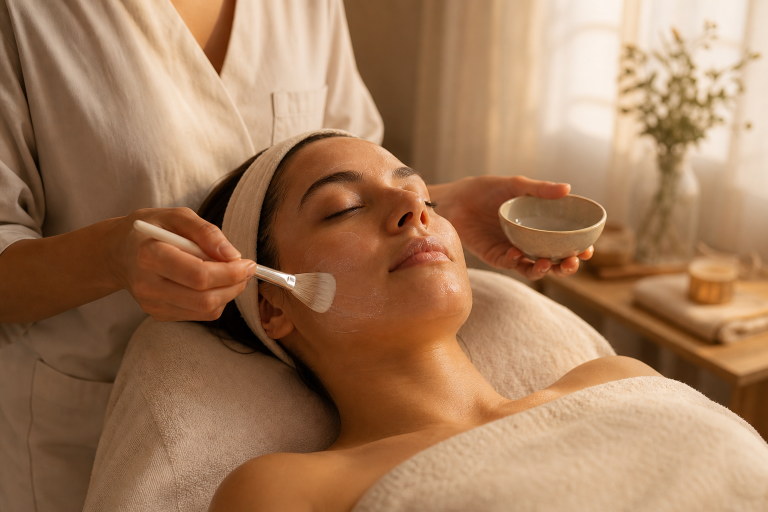
Facial treatments can focus on hydration, calming, cleansing, surface texture, or relaxation. Before an appointment, share your current products, allergies, acne concerns, recent peels, and any sun exposure. A customized approach is usually more useful than choosing a facial only because it has a popular name.
A facial should complement, not replace, daily basics: mild cleansing, moisturizer suited to your skin, and sunscreen during the day. If your skin is already irritated, a gentle, barrier-supportive approach may be more appropriate than an aggressive exfoliating service.
4. How to Exfoliate Without Overdoing It
Mechanical exfoliation physically lifts surface buildup with a scrub, brush, cloth, or cleansing tool. Chemical exfoliation uses ingredients such as alpha-hydroxy acids or beta-hydroxy acids to loosen dead skin cells. Both can improve the feel of rough skin, but either method can irritate when used too often or too aggressively.
For more details, review this dermatologist guidance on safe exfoliation. Use light pressure, avoid broken or sunburned skin, and moisturize afterward. Be especially careful when using retinol, prescription retinoids, benzoyl peroxide, or other strong acne treatments. If skin becomes tender or persistently red, reduce frequency or stop until it recovers.
5. Comparing Common Hair-Removal Methods
- Shaving: Quick and convenient, although results are short-lived and razor bumps can occur.
- Waxing: Removes hair from the root and can provide longer-lasting smoothness, but may cause temporary redness or discomfort.
- Threading: Useful for precise shaping in small areas, especially the brows.
- Depilatory creams: Dissolve hair at the surface and require careful label reading and patch testing.
- Laser hair reduction: May reduce long-term growth, but typically requires an assessment and multiple sessions.
The right choice depends on the treatment area, hair thickness, budget, desired duration, and your skin’s sensitivity.
6. What to Do Before a Treatment
- Read product directions or ask your provider about preparation.
- Disclose prescription creams, acne medication, recent peels, and allergies.
- Do not treat sunburned, broken, infected, or actively inflamed skin.
- Arrive with clean skin when possible, unless instructed otherwise.
- Avoid testing several new products in the days before an appointment.
Medication history matters because some acne products and retinoids can make skin more reactive. Ask a qualified provider or prescribing clinician whether waxing or exfoliation is appropriate for the area being treated.
7. Simple Aftercare Steps
After a treatment, take care to keep it uncomplicated. Use a mild cleanser, a simple moisturizer, and sunscreen for daytime outdoor exposure. If your skin feels sensitive, pause fragranced products, harsh scrubs, strong acids, and intense masks for a short time. It can also help to limit heat, heavy sweating, rubbing, and direct sun immediately after treatments that leave the skin tender.
8. Mistakes That Can Lead to Irritation
- Exfoliating daily simply because the skin feels rough.
- Waxing an area recently treated with retinoids or strong acne products.
- Using body depilatories on the face without checking the label.
- Introducing a new peel, scrub, mask, and serum in the same week.
- Ignoring burning, swelling, or worsening discomfort.
- Skipping sunscreen after skin-sensitizing treatments.
9. When to Ask a Dermatologist
Seek medical guidance if redness, pain, swelling, itching, or warmth continue instead of improving. Blisters, open skin, pus, frequent painful ingrown hairs, or dark marks after irritation also deserve attention. People with eczema, rosacea, hidradenitis suppurativa, or another diagnosed skin condition should get individualized advice before changing their routine. The American Academy of Dermatology also offers practical hair-removal safety tips.
10. Building a Routine That Works
A manageable skin-care routine starts with gentle daily care, one primary treatment goal, and sensible spacing between exfoliation and hair removal. Adjust when your skin gives warning signs, rather than trying to push through discomfort. Healthy-looking skin usually comes from steady, well-timed care, not from using the strongest treatment available. When in doubt, fewer steps and better timing are often the smartest place to start.