






Wabi Sabi is an ancient Japanese philosophy centered on accepting the beauty of imperfection, impermanence, and incompleteness. While many modern lifestyles chase perfection, Wabi Sabi gently reminds us that life’s real charm lies in the unfinished edges, the natural flaws, and the things that evolve with time. It teaches us to appreciate authenticity over artificial perfection and simplicity over excess. This worldview encourages a mindset shift where cracks become character, and aging becomes poetry. When applied to life, Wabi Sabi becomes not just an aesthetic but a lifestyle that helps people slow down, breathe deeper, and appreciate the moments that truly matter.
Origins of the Wabi Sabi Philosophy
The roots of Wabi Sabi trace back to Zen Buddhism, which emphasizes mindfulness, meditation, and awareness of the present moment. Historically, the concept evolved through the Japanese tea ceremony, where simplicity and humility were valued over extravagance. The term “Wabi” originally referred to living in nature with minimalism, while “Sabi” expressed the beauty found in aging and natural wear. Together, they form a worldview celebrating imperfection and peaceful acceptance. Over centuries, artists, monks, and craftsmen embraced Wabi Sabi as a guide to create objects, spaces, and lifestyles grounded in authenticity and calmness.
The Core Principles of Wabi Sabi
The Wabi Sabi lifestyle revolves around several timeless principles that encourage an appreciation for the natural world and the imperfect human experience. These principles highlight the value of simplicity, authenticity, and acceptance. People who embrace Wabi Sabi choose to admire things that are irregular, weathered, or unfinished rather than polished to perfection. This philosophy encourages living softly, loving gently, and appreciating every moment with gratitude. The core ideas inspire a more grounded, peaceful existence in a modern world filled with rush and pressure.
Imperfection as a Form of Beauty
Imperfection is the heart of Wabi Sabi. Instead of striving for flawless appearances, this philosophy encourages seeing charm in cracks, dents, and faded textures. In a society where perfection is often glorified, Wabi Sabi teaches us to appreciate what makes something unique. The knot in a wooden table, the asymmetry of a handmade bowl, or the faded edges of an old photograph—these are not flaws but stories. By embracing imperfection, we learn to accept life’s natural flow and let go of unrealistic expectations about ourselves and others.
Simplicity as a Way of Life
Simplicity is another essential aspect of Wabi Sabi. It doesn’t demand living with nothing; rather, it encourages living with intention. This simplicity reflects in home décor, daily habits, and even relationships. A simple environment helps clear the mind, reduce stress, and foster appreciation for what truly matters. Wabi Sabi simplicity embraces neutral tones, natural materials, and uncluttered spaces that offer peace rather than distraction. Practicing simplicity can transform chaos into clarity and help people reconnect with serenity in their everyday lives.
The Allure of Natural Materials
Natural materials play a key role in expressing the beauty of Wabi Sabi. Wood with knots, stone with uneven texture, clay with unique shapes, and linen with soft creases all represent the philosophy’s appreciation of authenticity. These materials age gracefully, developing richer character over time. Instead of resisting change, Wabi Sabi welcomes the patina that forms on metal or the way sunlight fades woven fabrics. Incorporating such materials into your home or lifestyle creates a grounding connection between the environment and inner peace.
The Concept of Impermanence
Impermanence is a reminder that everything changes. Wabi Sabi accepts that nothing lasts forever, and that’s what gives life its beauty. Flowers wilt, seasons shift, people grow, and memories fade. Instead of fearing these changes, Wabi Sabi encourages cherishing them. This mindset helps reduce anxiety and attachment, leading to a more peaceful and appreciative life. When you understand that everything is temporary, each moment becomes more meaningful and worth savoring.
Wabi Sabi in Modern Interior Design
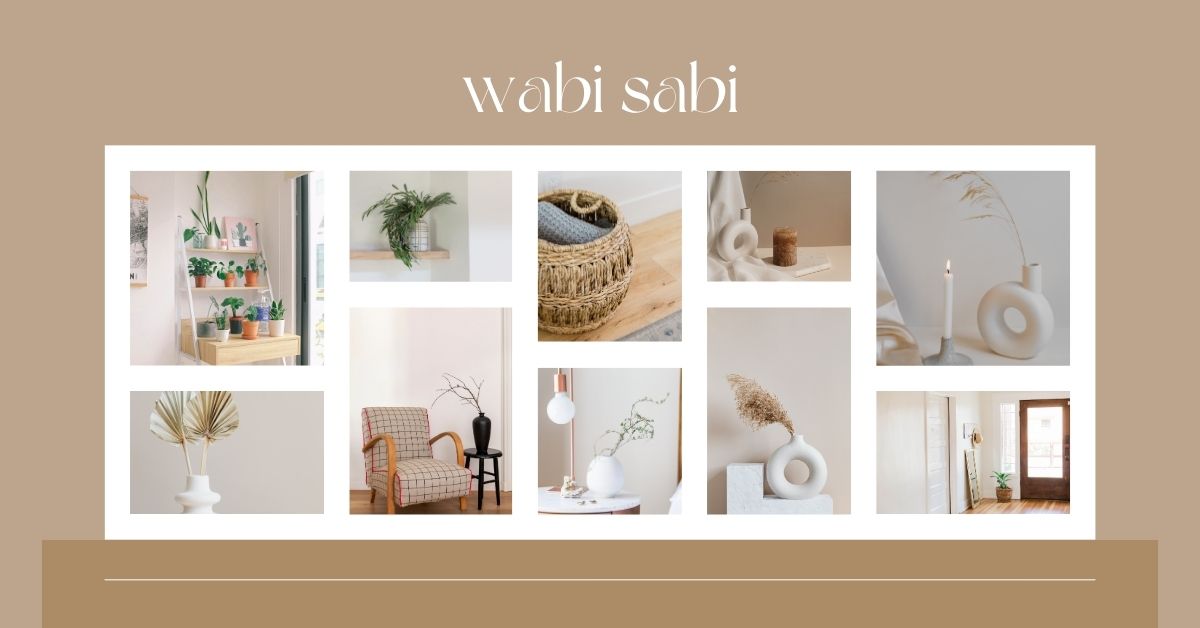
Wabi Sabi has become a popular trend in interior design, especially for those seeking a peaceful, grounding environment. Designers use muted colors, raw materials, handmade décor, and simple furniture to craft spaces that feel warm and authentic. Rooms with Wabi Sabi design celebrate natural light, open space, and organic textures. Instead of filling a room with perfect, coordinated items, the focus is on harmony, balance, and meaningful possessions. This style transforms homes into sanctuaries where peace feels natural and effortless.
Wabi Sabi in Everyday Living
Living with Wabi Sabi means learning to slow down and savor life. It encourages appreciating simple pleasures like a warm cup of tea, the feel of fresh air, or the comfort of a soft blanket. Practicing Wabi Sabi keeps us mindful and aware of our surroundings, our emotions, and the natural rhythm of life. It invites us to let go of clutter—physical and emotional—and embrace peaceful living rooted in authenticity.
How Wabi Sabi Improves Mental Health
Wabi Sabi offers many mental health benefits by reducing pressure, comparison, and self-judgment. Accepting imperfections allows people to feel more at ease with themselves and their environment. It encourages gratitude and mindful reflection, helping reduce stress and anxiety. When we stop chasing perfection, we free ourselves from unrealistic standards and find joy in life’s small, meaningful moments. This mindset naturally fosters emotional resilience and a deeper sense of contentment.
Wabi Sabi in Relationships
Relationships flourish under the Wabi Sabi approach because it encourages acceptance and compassion. Instead of expecting partners, friends, or family members to be perfect, this philosophy teaches embracing differences and flaws. It supports patient communication, understanding, and gentle emotional support. Wabi relationships are built on authenticity, mutual respect, and appreciation for growth over perfection. When we stop trying to “fix” people, we begin appreciating them as they are.
Wabi Sabi and Personal Growth
Wabi Sabi inspires personal growth by encouraging acceptance of one’s journey. It reminds us that progress is often slow, uneven, and imperfect. Instead of comparing ourselves to others, we learn to appreciate our unique path. This perspective encourages a healthier relationship with ambition, productivity, and self-worth. Growth becomes an experience rather than a race, allowing us to evolve naturally and confidently.
Incorporating Wabi into Your Home
Incorporating Wabi Sabi into your home doesn’t require a complete renovation. Simple practices like decluttering, using natural materials, choosing earthy tones, and displaying handmade décor can transform a space. Adding plants, soft lighting, and imperfect pottery enhances the calming atmosphere. The goal is to create a space that reflects authenticity and comfort rather than perfection. Your home becomes a retreat where you can breathe deeply and feel grounded.
Wabi Sabi and Mindful Consumption
Wabi Sabi promotes mindful consumption by encouraging people to buy less and choose wisely. Instead of purchasing items for trends or status, the focus shifts to long-lasting, meaningful objects. This reduces waste and supports sustainability. Buying handmade or natural products adds character to your living space and aligns with the philosophy’s appreciation for authenticity. Mindful consumption helps people value quality over quantity and live in harmony with the environment.
Conclusion
Wabi Sabi is more than an aesthetic; it’s a way of life that teaches gratitude, acceptance, and serenity. In a world where perfection often overshadows authenticity, Wabi reminds us that beauty lives in imperfection and simplicity. When we embrace this philosophy, our homes become calmer, our relationships stronger, and our minds more peaceful. Wabi Sabi helps us appreciate what we have, who we are, and the journey we’re on. By welcoming imperfection, we discover a more meaningful, joyful, and grounded way of living.
FAQs
What is the main idea behind Wabi ?
The main idea is appreciating the beauty found in imperfection, simplicity, and natural aging.
How do I apply Wabi Sabi at home?
Use natural materials, reduce clutter, incorporate handmade items, and choose earthy tones.
Is Wabi Sabi similar to minimalism?
They share simplicity, but Wabi focuses more on imperfections and natural elements.
Can Wabi Sabi improve mental health?
Yes, it reduces stress by promoting acceptance, mindfulness, and self-compassion.
Is Wabi Sabi only for home décor?
No, it’s a philosophy that can shape lifestyle, relationships, personal growth, and everyday choices.