










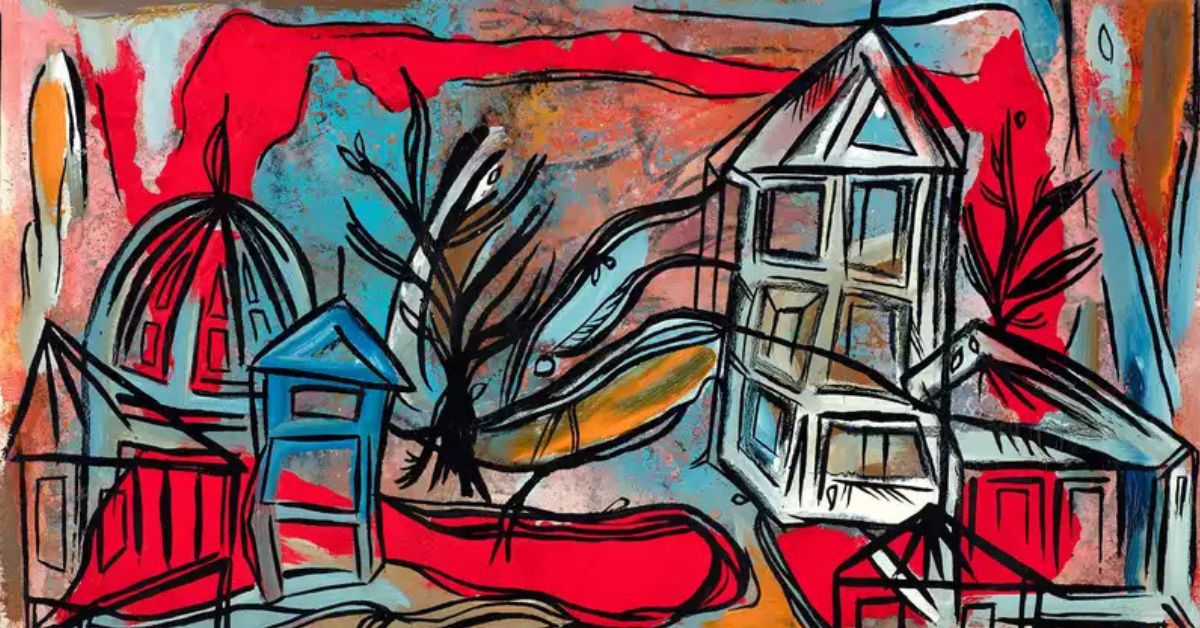
Lancelot Ribeiro remains one of the most intriguing names in the world of modern Indian art, celebrated for his pioneering techniques, rich imagination, and fearless experimentation. Born in Goa and raised in Bombay before eventually moving to the United Kingdom, Ribeiro carved a distinctive space for himself in the global art community with his unconventional approach to painting. His unique blend of fantasy, abstraction, architecture, and vibrant color made him a revolutionary figure whose impact continues to inspire contemporary artists across continents. Understanding Lancelot Ribeiro means diving into an artistic universe fueled by cultural identity, personal struggle, and an unshakable love for creative freedom.
Early Life of Lancelot Ribeiro
Lancelot Ribeiro’s early life shaped much of the artistic genius he later became known for. Born in 1933 in Goa, he relocated to Bombay (now Mumbai) during his childhood where he was exposed to a blend of European and Indian artistic sensibilities. Growing up in a culturally diverse environment provided him with a rich palette of experiences and visual influences. Although he initially pursued commercial studies, Ribeiro felt a strong pull toward painting, and his family environment, especially his early exposure to creativity, played a key role in the development of his artistic identity.
The Artistic Awakening
Ribeiro’s official journey as an artist began when he joined the prestigious St. Martin’s School of Art in London. This was the turning point that transformed his passion into a lifelong profession. London’s thriving art culture and access to new artistic movements encouraged him to refine his own style. During this period, he developed a fascination with architecture, surrealism, and experimental textures that later became hallmark features of his work. His education laid the foundation for the explosive creativity he was yet to unleash.
Unique Artistic Style
What set Lancelot Ribeiro apart from many artists of his generation was his determination to break away from traditional techniques. Ribeiro experimented with new materials, paints, and surfaces, often creating textures that felt almost sculptural. His paintings were known for their depth, geometric structures, and visionary themes that reflected both imagination and introspection. The distinctive combination of architectural shapes and dream-like landscapes made his art instantly recognizable. His refusal to conform to existing artistic norms solidified his reputation as a fearless innovator.
Influence of Architecture in Ribeiro’s Work
Architecture played a vital role in shaping Ribeiro’s visual language. Many of his works showcase towering structures, distorted perspectives, and intricate linework that make his paintings almost abstract cities. These architectural elements symbolized order, chaos, urban growth, and sometimes even the fragmentation of identity. Ribeiro used these forms not simply to recreate buildings but to express emotional and psychological states, turning architecture into a powerful storytelling tool.
Experiments with New Materials
Another defining feature of Ribeiro’s career was his eagerness to experiment. Frustrated with the limitations of oil paint, he was one of the first Indian modernists to adopt acrylic paints shortly after their invention. Acrylics allowed him greater freedom, faster drying times, and the ability to create sharper lines and innovative textures. Ribeiro’s experiments with chemicals, polymers, and mixed media allowed his work to shine with originality. This constant push for innovation is one reason his art remains timeless.
Life in the United Kingdom
After settling permanently in the UK, Ribeiro became deeply embedded in its artistic communities. Although adjusting to a new culture came with challenges, the UK offered him opportunities to exhibit his work widely. He contributed significantly to the immigrant and minority arts scene and became an important voice in advocating for greater recognition of non-European artists. Ribeiro’s works began gaining attention in London galleries, where art critics admired his bold style and technical mastery.
Themes Reflected in His Art
Ribeiro’s paintings are full of layered meanings and emotional depth. Many of his themes explore identity, displacement, fantasy, spirituality, and the balance between order and chaos. His unique ability to fuse Indian cultural elements with Western artistic frameworks created an entirely new visual language. His works often mirrored his personal journey—between countries, cultures, and artistic traditions. The sense of transition and inner conflict is visible in the sharp angles, dynamic lines, and surreal landscapes he created.
Ribeiro’s Contribution to Modern Indian Art
Lancelot Ribeiro’s contribution to modern Indian art is undeniable. At a time when Indian artists were navigating between colonial influences and the desire for native expression, Ribeiro created a fresh path entirely. His bold use of modern materials, structural imagination, and unapologetic individuality helped expand the boundaries of Indian modernism. His legacy also paved the way for future artists who wished to break free from rigid forms and experiment more confidently.
Recognition and Exhibitions
Throughout his lifetime, Ribeiro’s work appeared in numerous exhibitions in India, the UK, and other parts of the world. His participation in both solo and group exhibitions helped solidify his standing as a global artist. Art critics admired his fearlessness, and institutions such as the British Museum and Tate Britain eventually included his works in their collections. Such recognition highlights the global relevance and appeal of his imaginative art.
Challenges and Personal Struggles
Like many groundbreaking artists, Ribeiro also faced his share of obstacles. Relocating to a new country came with cultural and economic challenges. He often struggled to gain mainstream recognition despite his significant contributions. However, these hardships didn’t break his spirit; instead, they fueled his creativity. His artworks often reflected the tensions, uncertainties, and transitions he experienced personally, making them even more powerful.
Legacy and Lasting Influence
Lancelot Ribeiro’s legacy extends far beyond his lifetime. Artists today continue to study his methods and admire his pioneering techniques. His willingness to break rules, experiment with new mediums, and merge cultures set him apart as one of the most inventive modern artists of the 20th century. His work remains relevant as discussions about migration, identity, and creative freedom continue to grow in global art spaces.
Why Lancelot Ribeiro Matters Today
In today’s art world, where boundaries continue to blur and artists thrive on experimentation, Ribeiro’s influence is more relevant than ever. He serves as an inspiring example of how artists from diverse backgrounds can create their own space through persistence and originality. Ribeiro’s courage to experiment and express deeply personal themes resonates strongly with modern audiences seeking authenticity and innovation.
Exploring Ribeiro’s Most Iconic Works
Some of Ribeiro’s most iconic pieces showcase his signature architectural shapes, surreal landscapes, and vivid color contrasts. These works capture the essence of his imagination—urban structures transforming into dreamlike spaces, worlds that feel familiar yet otherworldly. Each painting offers viewers a chance to interpret its meaning based on their own emotions and perceptions. This openness is what makes Ribeiro’s art timeless and universally appealing.
Conclusion
Lancelot Ribeiro was more than just a painter—he was a visionary who expanded the language of modern art through innovation, passion, and cultural fusion. His ability to blend architectural elements with emotional depth set him apart as one of the most original minds of his time. Even today, Ribeiro’s legacy thrives through his works displayed in major museums and the lives of artists he continues to inspire. His journey from Goa to London, filled with creativity and determination, showcases the brilliance of a truly modern artist who dared to be different.
FAQs
What was Lancelot Ribeiro best known for?
He was best known for his innovative architectural paintings and early use of acrylics.
Where was Lancelot Ribeiro born?
He was born in Goa, India, before moving to Bombay and later to the UK.
What influenced Ribeiro’s artistic style?
Architecture, cultural identity, surrealism, and personal experiences shaped his style.
Where can Ribeiro’s works be seen today?
His works are part of collections in major art institutions including the British Museum.
Why is Ribeiro important in modern Indian art?
He played a key role in experimenting with new materials and expanding artistic possibilities for future generations.