










Welcome to Bend! You’ve made a fantastic choice to relocate to this vibrant city, known for its stunning natural beauty, outdoor recreation, and friendly community. As you settle into your new life here, one of the most practical aspects to master is navigating the local roads safely. Bend has its own unique traffic patterns and regulations that might be different from what you’re used to. This guide will walk you through everything you need to know about traffic safety in Bend, ensuring a smooth and safe transition to your new home.
Understanding Bend’s Unique Roadways
Bend’s infrastructure is designed to accommodate a growing population while maintaining its charm. One of the most notable features of Bend’s road system is the prevalence of roundabouts. These circular intersections are designed to improve traffic flow and reduce the severity of accidents. If you’re not familiar with them, they can be a bit intimidating at first. The key is to yield to traffic already in the roundabout and to choose your lane based on your intended exit.
Beyond roundabouts, you’ll find that Bend is a very bicycle-friendly community. This means you’ll be sharing the road with many cyclists. Always be sure to give them ample space and be extra cautious at intersections and when opening car doors.
Key Traffic Regulations in Bend
Oregon has specific traffic laws that you’ll need to be aware of. The Oregon Department of Transportation (ODOT) is the primary resource for all traffic-related information. Here are some of the key regulations to keep in mind:
Speed Limits
Unless otherwise posted, the speed limit in residential areas is 25 mph. On city streets, it’s typically 35 mph, and on highways, it can range from 55 to 65 mph. Always be mindful of posted speed limits, as they are strictly enforced.
Right-of-Way
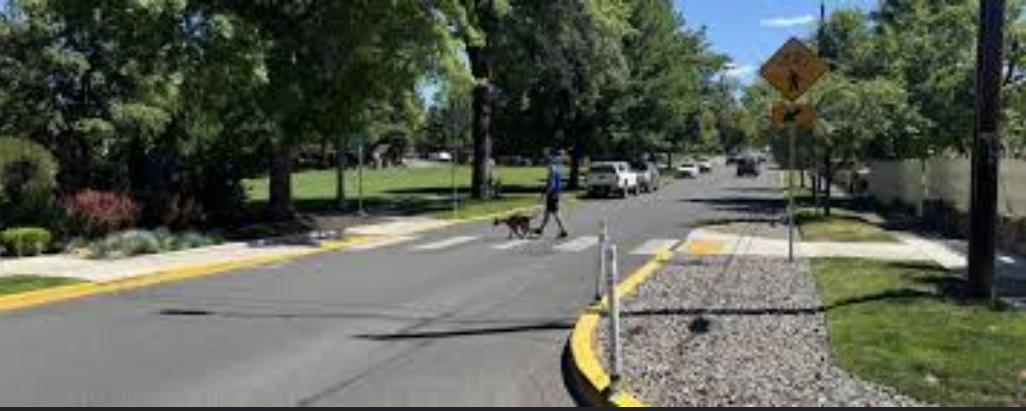
Oregon law specifies who must yield the right-of-way in various situations. At intersections without traffic signals or signs, the driver on the left must yield to the driver on the right. When turning left, you must yield to oncoming traffic. Pedestrians in crosswalks always have the right-of-way.
Distracted Driving
Oregon has a strict hands-free law when it comes to cell phone use while driving. You are not allowed to hold a mobile electronic device while driving. This includes talking, texting, or using any other function of the device. The only exception is for hands-free accessories.
Driving Under the Influence (DUI)
Oregon has a zero-tolerance policy for driving under the influence of intoxicants (DUII). A blood alcohol concentration (BAC) of 0.08% or higher is considered a DUII. However, you can be arrested for a DUII even if your BAC is lower than 0.08% if you are visibly impaired. The consequences of a DUII are severe, including fines, license suspension, and even jail time.
Navigating Bend Safely
Beyond knowing the rules of the road, there are practical steps you can take to navigate Bend safely.
Be Prepared for All Seasons
Bend experiences all four seasons, which means you’ll need to be prepared for a variety of driving conditions. In the winter, snow and ice are common, so it’s a good idea to have snow tires or chains. Always check the weather and road conditions before heading out, especially if you’re planning to drive into the mountains. TripCheck is an excellent resource for real-time road conditions.
Share the Road
As mentioned earlier, you’ll be sharing the road with cyclists and pedestrians. Always be aware of your surroundings and give them the space they need. When passing a cyclist, give them at least three feet of clearance. When approaching a crosswalk, be prepared to stop for pedestrians.
When Accidents Happen
Even the most careful drivers can find themselves in an accident. If you’re involved in a minor collision, the first thing to do is to move your vehicle to a safe location, if possible. Exchange insurance and contact information with the other driver, and take pictures of the damage. For more serious accidents, especially those involving injuries or significant property damage, it’s crucial to contact the police and seek medical attention. In these situations, you may also need legal guidance. If you find yourself in a situation involving a large truck, it’s wise to consult with a specialized commercial truck accident lawyer to ensure your rights are protected.
Conclusion
Moving to a new city is an exciting adventure, and Bend has so much to offer. By taking the time to learn the local traffic laws and driving customs, you can ensure that your time on the road is as safe and enjoyable as your time exploring everything else this beautiful city has to offer. Drive safely, and welcome to Bend!